Паэлья, Фальяс и море: почему Валенсия недооценена туристами

Коротко: Валенсия — третий по величине город Испании и, пожалуй, самый недооценённый. Здесь родилась настоящая паэлья, каждую весну гремит огненный фестиваль Фальяс, а городские пляжи Мальварроса и Патакона тянутся прямо от центра. При этом Валенсия дешевле и спокойнее Барселоны и Мадрида, а солнце светит больше 300 дней в году. В этом гиде — почему стоит ехать именно сюда, что посмотреть и попробовать, и как порадовать близкого человека в Валенсии букетом с доставкой в тот же день от YUCCA Flowers.
Когда речь заходит об Испании, туристы по привычке едут в Барселону за Гауди или в Мадрид за музеями. Валенсия остаётся в тени — и совершенно незаслуженно. Этот средиземноморский город соединяет всё, за что любят Испанию: море и пляжи, великую гастрономию, футуристическую архитектуру, живой старый центр и настоящие народные праздники — но без толп и заоблачных цен. Давайте разберёмся, почему Валенсия заслуживает как минимум длинного уик-энда, а как максимум — того, чтобы влюбиться в неё надолго.
Родина паэльи: где попробовать настоящую валенсийскую паэлью
Забудьте о туристической паэлье с морепродуктами из заморозки — настоящая паэлья валенсиана родом именно отсюда, из рисовых полей вокруг лагуны Альбуфера к югу от города. Классический рецепт готовится не с морепродуктами, а с курицей, кроликом, зелёной фасолью (ferradura и garrofó), помидорами и шафраном, на дровах, в широкой плоской сковороде — той самой paella, которая и дала блюду название.
Лучшее место, чтобы понять паэлью, — деревни Эль-Пальмар и Эль-Салер на берегу Альбуферы, где рис выращивают веками, а рестораны готовят его по семейным рецептам. В самом городе стоит идти в проверенные рисовые заведения в районе пляжа и в старом центре. Идеальное время для паэльи — обед (испанцы почти не едят её на ужин), а сопровождать её принято долькой лимона и бокалом местного вина. Ещё один валенсийский специалитет — орчата (horchata), освежающий напиток из земляного миндаля чуфа, который пьют с длинной сладкой булочкой фартон.
Фестиваль Фальяс: огонь, сатира и грохот в сердце Валенсии
Если и есть повод спланировать поездку под конкретную дату, то это Лас-Фальяс (Las Fallas) — грандиозный фестиваль, который проходит в марте и завершается в ночь на 19 марта (день Святого Иосифа). ЮНЕСКО включила его в список нематериального культурного наследия — и не зря.
Весь год кварталы-«фальи» готовят гигантские сатирические скульптуры из папье-маше и дерева — нинотов, высмеивающих политиков, знаменитостей и события года. Некоторые достигают высоты пятиэтажного дома. Город наполняется музыкой, фейерверками и запахом пороха: каждый полдень на площади Ратуши гремит маскле́та (mascletà) — оглушительная ритмичная канонада петард, которую чувствуешь всем телом. А в финальную ночь Кремá все скульптуры, кроме одной помилованной, сжигают дотла — символ обновления и очищения огнём.
Фальяс — это не спектакль для туристов, а живой народный праздник, в котором участвует весь город: традиционные костюмы, цветочные подношения Деве Марии, уличная еда и бессонные ночи. Если хотите увидеть настоящую Валенсию — приезжайте в марте, но бронируйте жильё сильно заранее.
Цветы и Фальяс: подношение Деве Марии
Один из самых трогательных моментов фестиваля — Офренда (Ofrenda de Flores): два дня подряд тысячи валенсийцев в национальных костюмах несут букеты к площади Богоматери, где из живых цветов собирают гигантскую мантию для 15-метровой фигуры Девы Марии. Это доказывает то, что и так очевидно местным: цветы в Валенсии — часть культурного кода, способ выразить любовь, уважение и радость. Именно поэтому букет здесь — всегда уместный и понятный подарок.
Море рядом с центром: пляжи Мальварроса, Патакона и марина
В отличие от многих европейских столиц, у Валенсии есть собственные городские пляжи, до которых легко добраться на трамвае или велосипеде. Мальварроса (Malvarrosa) и соседний Лас-Аренас — широкие песчаные пляжи с длинной набережной (Пасео-Маритимо), рядами ресторанов и знаменитыми рисовыми заведениями. Севернее начинается более спокойная Патакона (Patacona) с модными кафе и пляжными барами.
Здесь же — марина Валенсии, обновлённая к гонкам America's Cup и этапу «Формулы-1»: место для прогулок, парусного спорта и вечерних коктейлей у воды. А если хочется дикой природы, всего в получасе к югу лежит природный парк Альбуфера — огромная пресноводная лагуна среди рисовых полей, где на закате катаются на традиционных лодках. Это один из самых романтичных видов во всей Испании.
Город искусств и наук: футуристическая Валенсия
Визитная карточка современной Валенсии — Город искусств и наук (Ciudad de las Artes y las Ciencias), комплекс ослепительно-белых футуристических зданий, построенный по проекту валенсийца Сантьяго Калатравы в русле осушённой реки Турия. Оперный театр Palau de les Arts напоминает космический шлем, музей науки — скелет кита, а планетарий L'Hemisfèric — гигантский глаз, отражающийся в воде.
Здесь же находится Океанографик (Oceanogràfic) — крупнейший океанариум Европы с акулами, белугами, пингвинами и подводным рестораном. Для семей с детьми это одно из главных впечатлений города, а для фотографов — бесконечный источник кадров: белые изгибы Калатравы одинаково хороши днём и в подсветке ночью.
Старый город: собор, Святой Грааль и Шёлковая биржа
Исторический центр Валенсии компактный и невероятно атмосферный. В сердце — кафедральный собор, где хранится чаша, которую многие считают подлинным Святым Граалем; на его колокольню Мигелете стоит подняться ради панорамы черепичных крыш. Рядом — площадь Богоматери с фонтаном, символизирующим реку Турия и её оросительные каналы.
Обязательно загляните в Шёлковую биржу (Lonja de la Seda) — шедевр готики и объект ЮНЕСКО с закрученными винтовыми колоннами, напоминающими пальмовую рощу. А через дорогу — Центральный рынок (Mercat Central), один из крупнейших в Европе, под модернистскими сводами которого продают апельсины, хамон, сыры, специи и свежайшие морепродукты. Довершают картину башни городских ворот Торрес-де-Серранос и Торрес-де-Куарт, а также богемный квартал Русафа (Ruzafa) с барами, галереями и стрит-артом.
Сады Турия: самый длинный городской парк Испании
Отдельного упоминания заслуживают Сады Турия (Jardí del Túria) — уникальный линейный парк длиной 9 километров, разбитый в русле реки, которую отвели за город после разрушительного наводнения 1957 года. Сегодня это зелёная артерия Валенсии: беговые и велодорожки, апельсиновые деревья, фонтаны, спортивные площадки и знаменитый парк Гулливер — гигантская фигура лежащего великана, по которой можно лазать, как лилипуты. Пройти или проехать на велосипеде через весь город по этому парку, от старинных мостов до Города искусств и наук, — лучший способ почувствовать Валенсию.
Гастрономия Валенсии: не только паэлья
Паэльей местная кухня не заканчивается — Валенсия удивляет разнообразием. Обязательно попробуйте all i pebre — насыщенное рагу из угря с чесноком и паприкой родом с Альбуферы; эсгаррат (esgarraet) — закуску из печёного перца и вяленой трески; и титайну — валенсийскую версию рататуя с тунцом. На десерт берите буньуэлос — воздушные тыквенные пончики, особенно любимые во время Фальяс. Фирменный коктейль города — Agua de Valencia: кава, апельсиновый сок, водка и джин; звучит невинно, но обманчиво крепок. А по субботам и воскресеньям валенсийцы устраивают долгие рисовые обеды всей семьёй — это почти ритуал. Гастрономическое сердце города — Центральный рынок, где можно перекусить тапас прямо у прилавков со свежими устрицами, хамоном и местными сырами.
Эль-Кабаньяль: рыбацкий квартал с изразцами
Отдельного визита заслуживает Эль-Кабаньяль (El Cabanyal) — старый рыбацкий квартал у моря, застроенный низкими домами, фасады которых облицованы цветной модернистской плиткой. Долгие годы район был в упадке, но сегодня переживает возрождение: сюда пришли художники, кофейни третьей волны и маленькие галереи, при этом сохранилась подлинная атмосфера старой приморской Валенсии. Прогулка по разноцветным улочкам Кабаньяля, а затем свежая рыба в местной боденге в двух шагах от пляжа — один из самых аутентичных вечеров, которые можно провести в городе.
Практика: как добраться и где остановиться
Добраться до Валенсии просто. Аэропорт Манисес находится всего в 15 минутах от центра и связан с городом линией метро. Из Мадрида идёт скоростной поезд AVE — около 1 часа 50 минут, из Барселоны — примерно 3 часа. По самому городу удобнее всего перемещаться на велосипеде: муниципальный прокат Valenbisi и плоский рельеф делают Валенсию идеальной для двух колёс.
Где остановиться зависит от целей поездки. Сьютат-Велья (Ciutat Vella) — исторический центр, лучший выбор для первого визита: всё в пешей доступности. Русафа (Ruzafa) — модный богемный район с барами, бранч-кафе и ночной жизнью. Эль-Кабаньяль и район у Мальварросы подойдут тем, кто хочет жить у моря. Для семей удобны кварталы рядом с Садами Турия и Городом искусств.
Валенсия по сезонам: когда лучше ехать
Валенсию можно посещать почти круглый год. Весна — время Фальяс, цветущих апельсиновых деревьев и первого купального настроения. Лето жаркое, но спасают морской бриз и городские пляжи; это сезон долгих вечеров и пляжных баров. Осень — мягкая и спокойная, с тёплым морем до октября и меньшим числом туристов, идеальна для неспешного знакомства с городом. Зима короткая и солнечная: днём часто выше +16 °C, что делает Валенсию отличным вариантом для зимнего уик-энда без снега и холода.
Валенсия с детьми
Валенсия — один из самых удобных городов Испании для семейного отдыха. Дети в восторге от Океанографика с акулами и дельфинами, от интерактивного музея науки в Городе искусств и от гигантского парка Гулливер в Садах Турия, по которому можно лазать и кататься с горок. Пляжи с пологим входом, обилие зелёных зон, короткие расстояния и безопасные велодорожки делают город комфортным для путешествия с малышами. А после насыщенного дня вся семья может собраться за большой паэльей — по-валенсийски.
Характер и язык Валенсии
У Валенсии свой характер, заметно отличающий её от остальной Испании. Здесь говорят на валенсийском языке — близком к каталонскому: вы увидите его на вывесках, в меню и названиях улиц наряду с испанским. Город живёт в неспешном средиземноморском ритме: поздние обеды, вечерние прогулки, «соборы» из светской болтовни на террасах. Валенсийцы гордятся своими традициями — от Фальяс и рисовых воскресений до цветочных подношений и старинного Водного трибунала (Tribunal de las Aguas), который уже более тысячи лет каждый четверг у дверей собора разбирает споры между земледельцами об оросительных каналах и признан ЮНЕСКО. Такое сочетание живой истории и лёгкого, дружелюбного отношения к жизни и делает город таким притягательным.
Однодневные поездки из Валенсии
Валенсия — удобная база для вылазок по региону. В получасе на поезде — Сагунто с римским театром и замком на холме. Чуть дальше — средневековая Хатива (Xàtiva) с внушительной крепостью и лабиринтом улочек. Любителям вина стоит доехать до винодельческого района Рекена-Утьель, а тем, кто хочет ещё моря, — до курортной Пеньисколы с крепостью тамплиеров на скале над водой (её называют «Гибралтаром Валенсии»). И, конечно, сама Альбуфера с закатными лодочными прогулками — классический полудневный маршрут прямо у города. Всё это делает Валенсию не только самоценным направлением, но и отличной отправной точкой для знакомства со Средиземноморским побережьем Испании.
Почему Валенсия недооценена — и почему это плюс
Итак, почему же Валенсия остаётся в тени Барселоны и Мадрида?
- Меньше туристов. Здесь нет ощущения парка развлечений: очереди короче, пляжи свободнее, а жители не устали от гостей.
- Ниже цены. Жильё, рестораны и такси заметно дешевле, чем в Барселоне; за те же деньги вы получите больше.
- Всё рядом. Компактный центр, пляжи и Город искусств легко обойти пешком и объехать на велосипеде — город признан одним из самых удобных для велосипедистов в Европе.
- Настоящая Испания. Валенсия живёт своей жизнью, а не только туризмом: народные праздники, локальная гастрономия, валенсийский язык и неспешный средиземноморский ритм.
- Климат. Более 300 солнечных дней в году и мягкая зима делают Валенсию отличным направлением почти в любой сезон.
Именно эта «недооценённость» и есть главное преимущество: вы получаете большой европейский город с морем, культурой и кухней мирового уровня — но без толп и переплаты.
Как заказать цветы в Валенсии: сюрприз для близкого человека
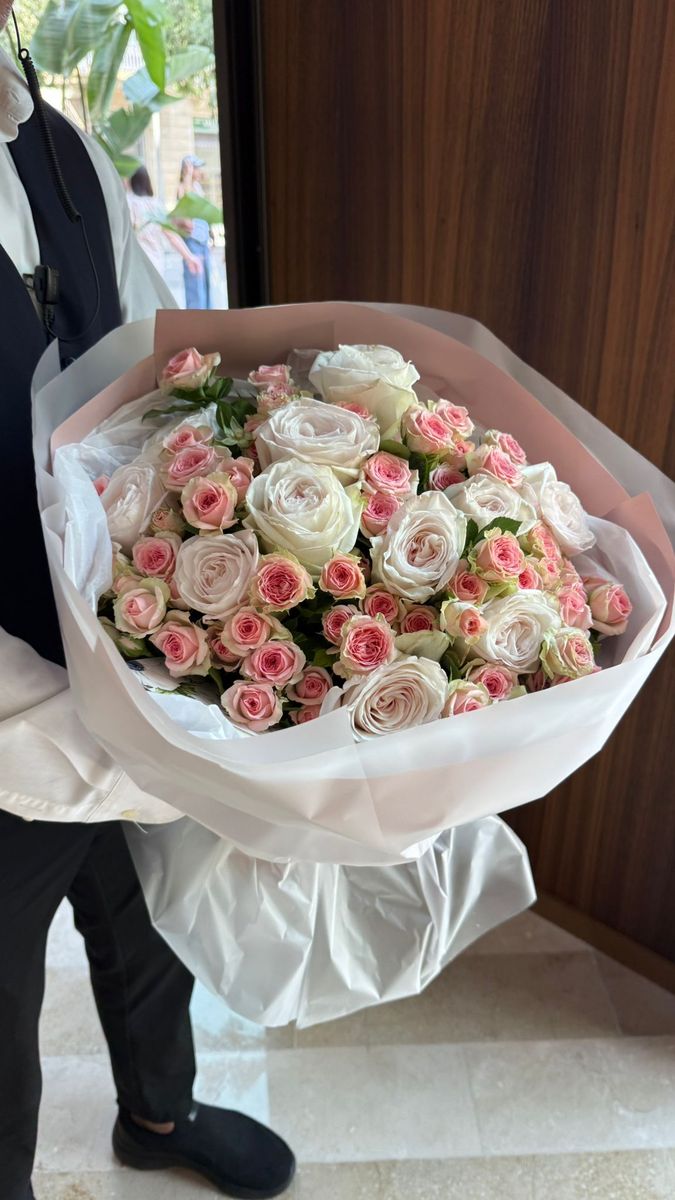
Валенсия — город романтики, семейных праздников и долгих застолий, и цветы здесь всегда к месту. Если ваш близкий человек живёт, учится или отдыхает в Валенсии, а вы — в другом городе или стране, YUCCA Flowers поможет порадовать его свежим букетом с доставкой в тот же день.
Заказать просто: выберите композицию в каталоге букетов в Валенсии или опишите идею флористу в WhatsApp, укажите адрес (квартиру, отель, ресторан или пляжный клуб на Мальварросе), имя получателя и удобное время. Флорист соберёт букет из свежих цветов, пришлёт фото на подтверждение перед отправкой и доставит вовремя — по центру Валенсии обычно за 2–3 часа. Цены указаны в евро (€), букеты примерно от €120; оплатить можно картой любой страны, криптовалютой или переводом Wise/SWIFT. Мы общаемся на русском и английском, поэтому языкового барьера не будет.
Поводов — море: годовщина и романтический сюрприз с видом на Город искусств, день рождения в Русафе, приветственный букет к заезду в отель у пляжа, 8 марта или День матери, деловой знак внимания партнёру. Как и валенсийцы во время Офренды, вы говорите цветами то, что иногда трудно выразить словами.
Что до самих букетов, для солнечной Валенсии флористы советуют устойчивые и выразительные композиции: классические красные и пионовидные розы для романтики, нежные пионы и ранункулюсы весной, гортензии и лизиантусы в средиземноморском стиле, орхидеи для статусного подарка и яркие сезонные миксы с подсолнухами — под настроение южного города. Все композиции собираются из свежих цветов в день доставки, дополняются открыткой от руки и при желании воздушными шарами, макарунами или конфетами. Букет можно приурочить к конкретному часу — к ужину у моря, к завершению прогулки по Садам Турия или к моменту сюрприза, — и мы привезём его точно вовремя, куда бы ни требовалось — в квартиру, отель, ресторан или прямо на пляж.
Доставка цветов в других городах Испании
YUCCA Flowers доставляет букеты по всей Испании и Средиземноморью — один стандарт качества и фото перед доставкой в каждом городе:
- Доставка цветов в Барселоне — столица Каталонии с Эшампле и Готическим кварталом.
- Доставка цветов в Малаге — столица Коста-дель-Соль.
- Доставка цветов в Аликанте — жемчужина Коста-Бланка.
- Доставка цветов на Ибице — остров вилл и пляжных клубов.
- Доставка цветов на Майорке — Пальма и живописные бухты.
- Доставка цветов на Тенерифе — Канары с вечным летом.
FAQ — Валенсия для туриста
Стоит ли ехать в Валенсию вместо Барселоны? Если вы хотите море, великую кухню и футуристическую архитектуру без толп и по более низким ценам — да. Валенсия компактнее, спокойнее и дешевле Барселоны, но не уступает ей по впечатлениям.
Когда проходит фестиваль Фальяс? В марте; кульминация — с 15 по 19 марта, финальное сожжение скульптур (Кремá) — в ночь на 19 марта. Жильё на эти даты бронируют за несколько месяцев.
Где попробовать настоящую паэлью в Валенсии? В деревнях Эль-Пальмар и Эль-Салер у лагуны Альбуфера, а также в проверенных рисовых ресторанах города. Настоящая паэлья валенсиана — с курицей и кроликом, а не с морепродуктами, и её едят в обед.
Есть ли в Валенсии пляжи? Да, городские пляжи Мальварроса, Лас-Аренас и Патакона тянутся от центра, до них легко добраться на трамвае или велосипеде.
Что посмотреть за один день в Валенсии? Старый город (собор, Шёлковая биржа, Центральный рынок), Сады Турия и Город искусств и наук, а вечером — ужин с паэльей у пляжа.
Можно ли заказать доставку цветов в Валенсии из другой страны? Да. YUCCA Flowers принимает карты любых банков мира, криптовалюту и переводы Wise/SWIFT. Букет доставят в день заказа с фото перед отправкой.
Сколько стоит букет в Валенсии? Цены в евро, примерно от €120. Конвертер на сайте покажет стоимость в долларах, фунтах или рублях.
Валенсия ждёт — а мы поможем с цветами
Валенсия доказывает, что лучшие направления часто прячутся на виду. Паэлья на берегу Альбуферы, грохот маскле́ты, белые изгибы Калатравы, апельсиновый аромат Садов Турия и тёплое море в двух шагах от центра — всё это стоит увидеть своими глазами. А если хотите порадовать того, кто сейчас в Валенсии, откройте каталог букетов или напишите нам в WhatsApp — соберём свежий букет и доставим его в тот же день.
YUCCA Flowers — доставка цветов в Валенсии: центр, Русафа, Мальварроса, Патакона и Город искусств. Букеты от €120, фото перед доставкой, оплата из любой страны.
ЧИТАТЕЛЯМ БЛОГА
Скидка 5% на первый заказ
Вы пришли из нашего блога — держите 5% скидку на первый заказ. Назовите флористу промокод BLOG5 при оформлении в WhatsApp.
Популярные букеты в Валенсии
Доставка в день заказа · фото перед отправкой
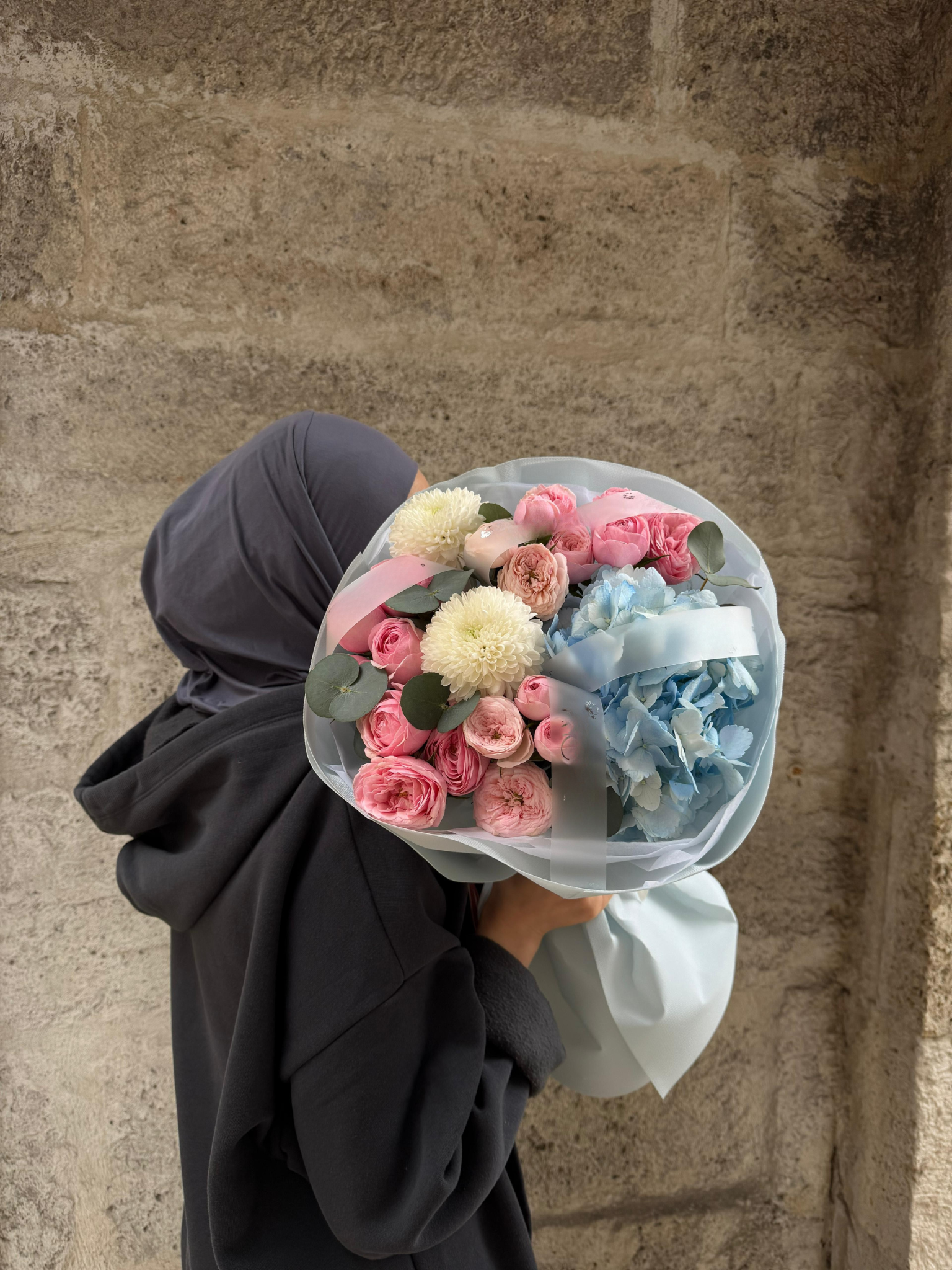
Эликсир счастья
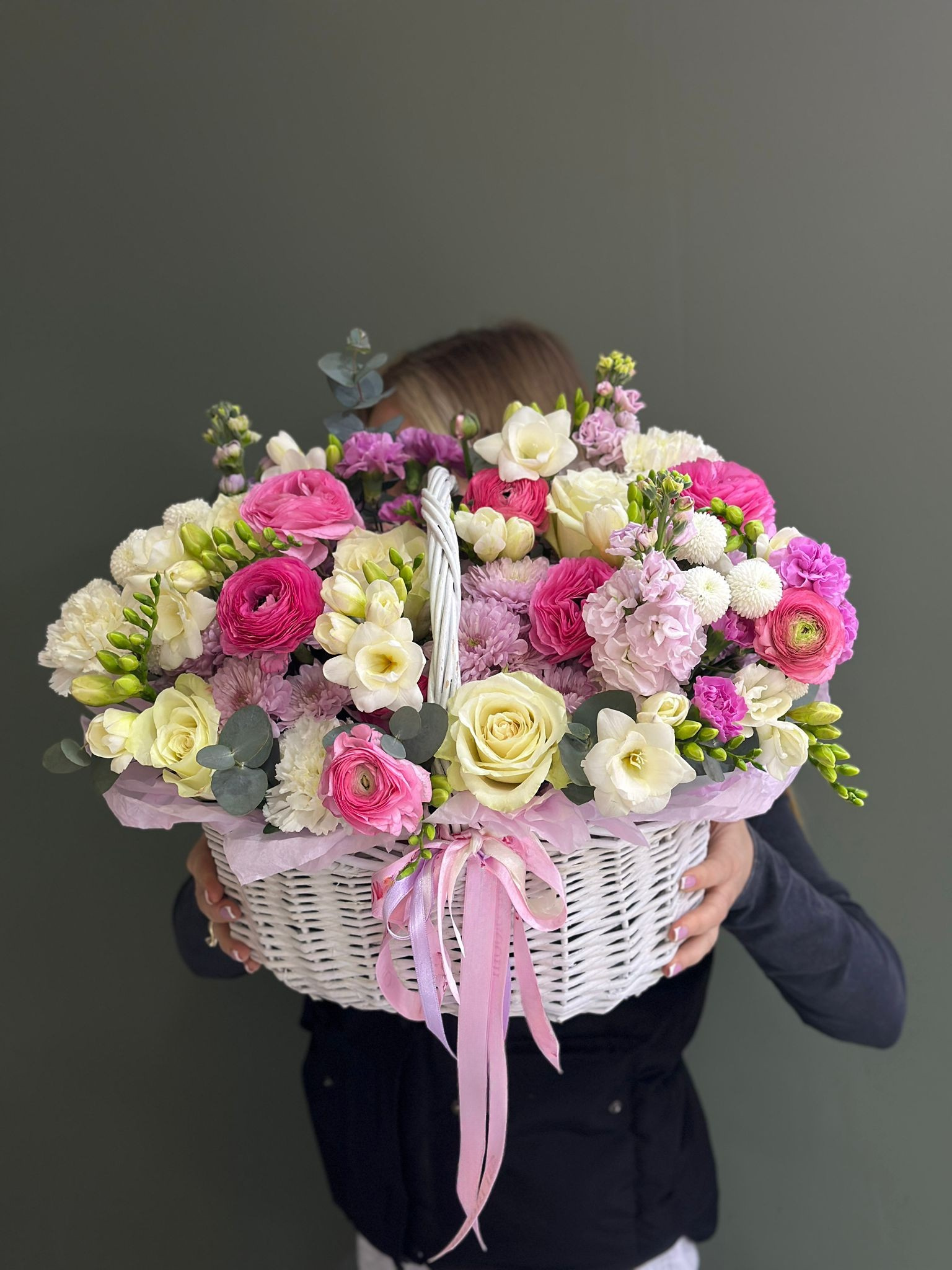
Корзина Роскошь
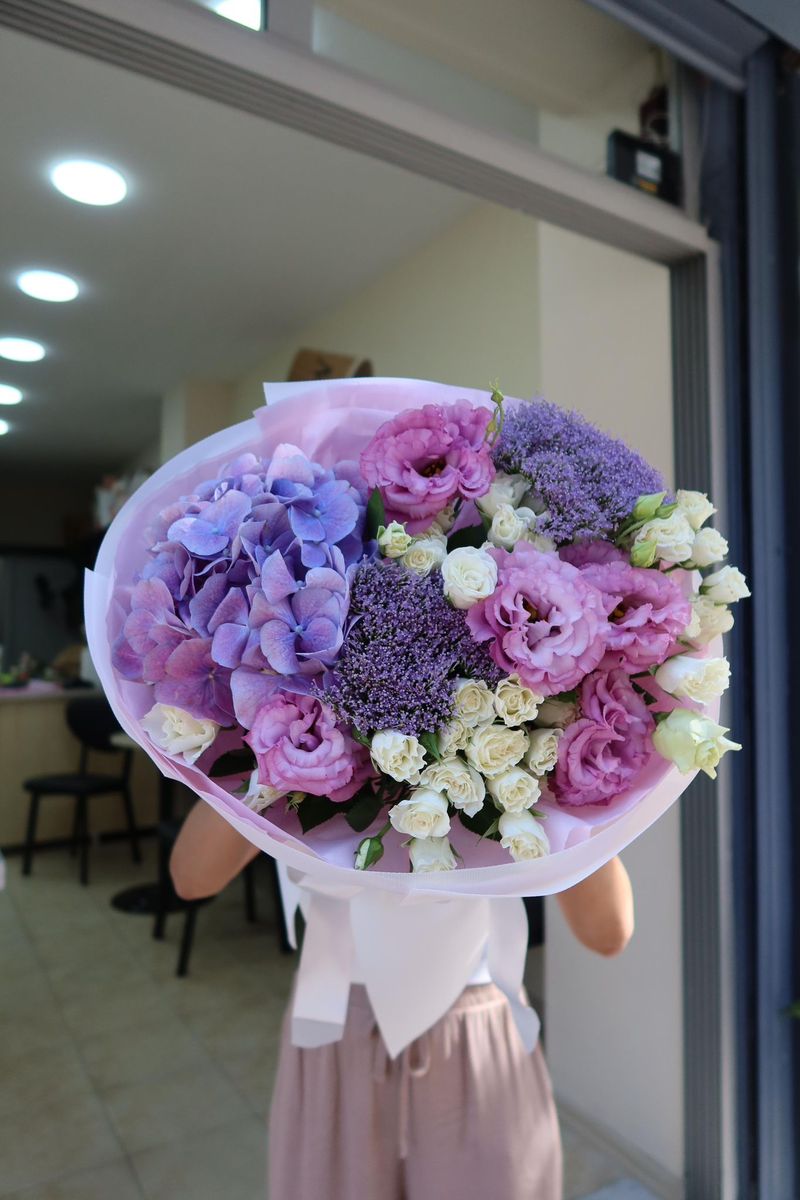
Фиолетовая Вата