Venice: Six Sestieri, the Lagoon Islands and Carnival — a City Guide With Flower Delivery
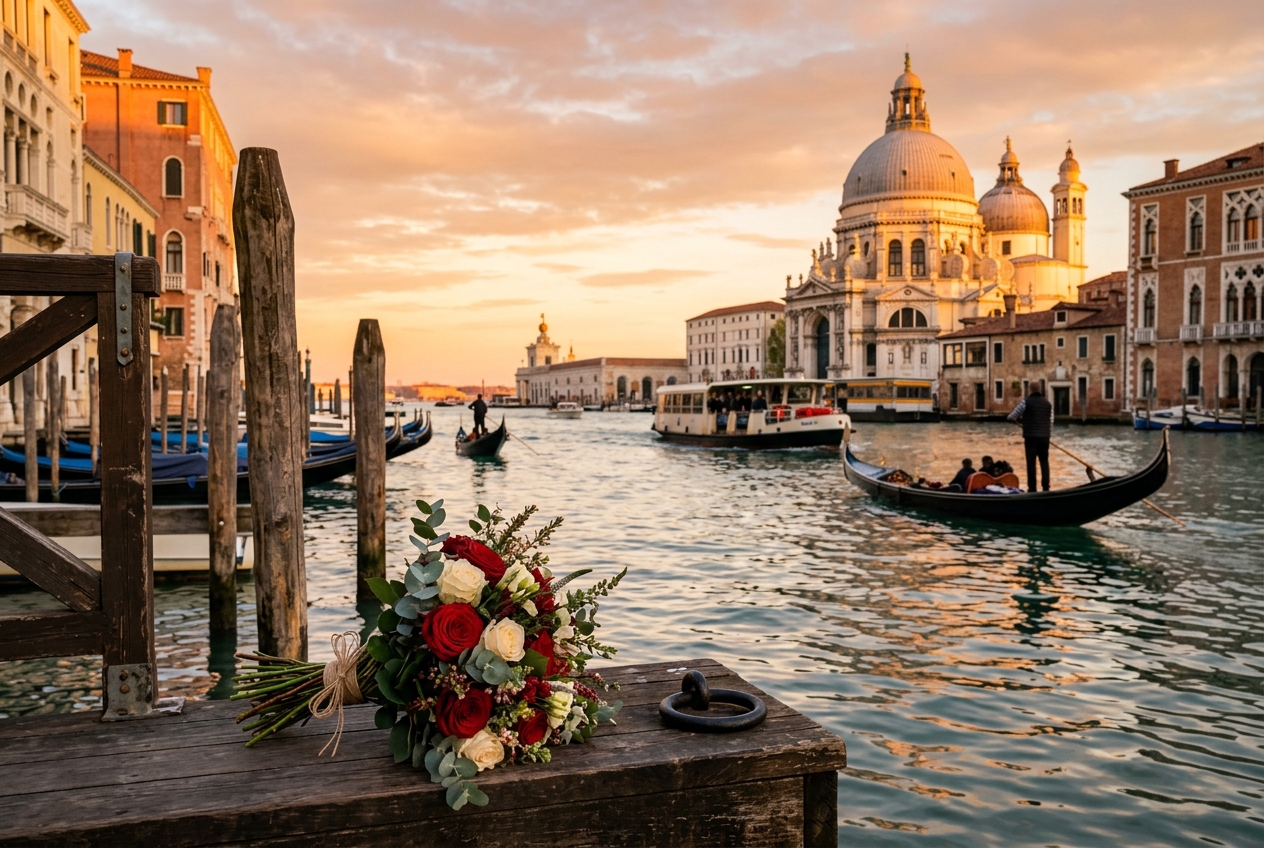
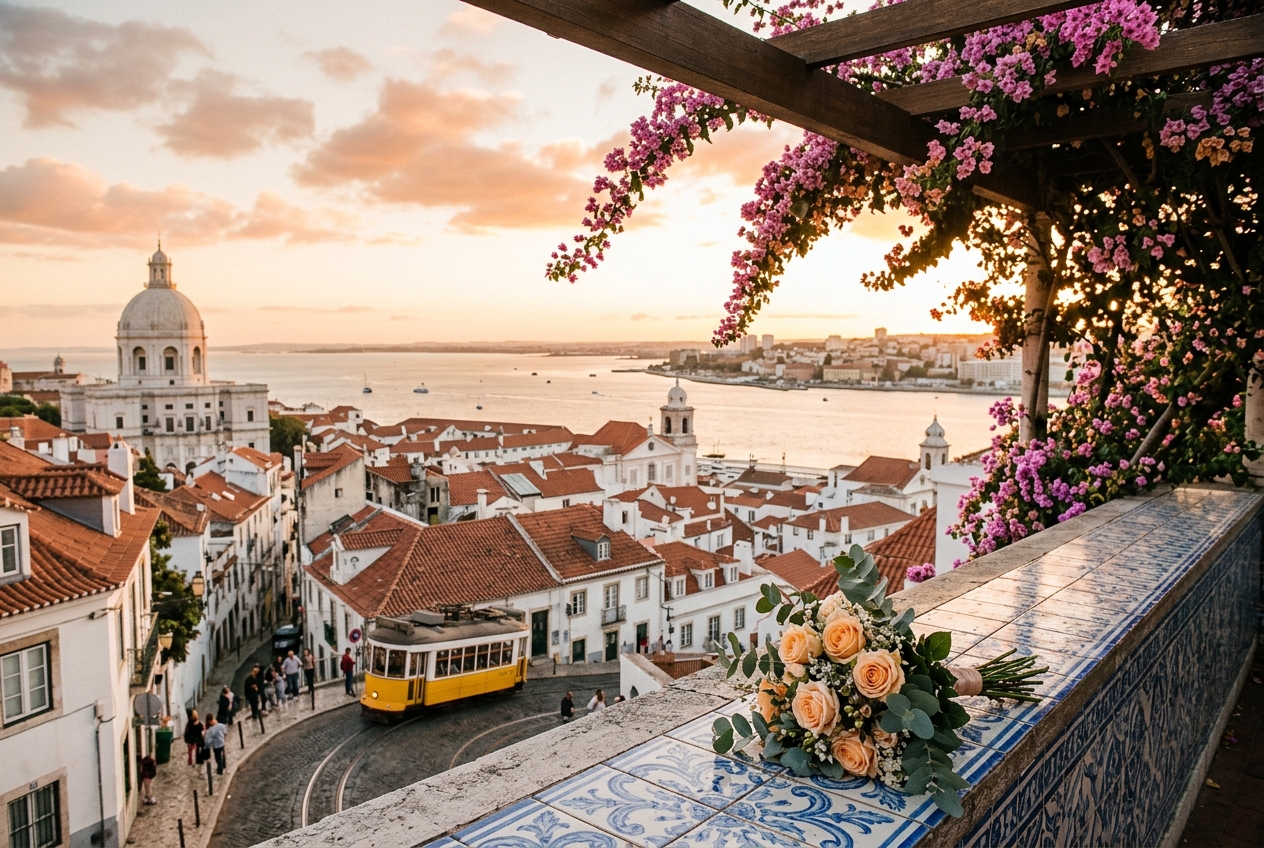
Venice is the only major city in the world without a single car. 118 islands, 400 bridges, 150 canals and fifteen centuries of history that no guidebook can hold. People come for honeymoons and the Biennale, for Carnival and for quiet November weekends when fog settles on the lagoon and the city becomes itself again. This guide is for those who want to understand Venice rather than race through it in a day: how the six sestieri work and how they differ, why to go to Murano, Burano and Torcello, how to survive Carnival and acqua alta, where to stay, what to eat and how to move around on water. And at the end — how to get flowers to someone in Venice when you're far away, and where else across Italy and Europe we deliver bouquets.
Already in Venice, or sending someone here? Venice flower catalogue — 30 bouquets from €88 delivered by vaporetto and water taxi. Questions — on WhatsApp.
How Venice Is Laid Out: the Six Sestieri
The historic centre is divided into six districts — sestieri. Knowing them means understanding where you'll end up when choosing a hotel, and why an address can be a four-digit house number with no street name.
San Marco — the heart and the showcase: St Mark's Square, the basilica with its golden mosaics, the Doge's Palace, the Campanile, the Bridge of Sighs, La Fenice opera house. The most expensive hotels, the densest crowds and the finest views. Come to the square before eight in the morning and it's yours.
San Polo — the smallest sestiere, around the Rialto Bridge and market: fish and vegetables in the morning, bacari (wine bars) with cicchetti in the evening. The Frari church with Titian and the Scuola di San Rocco with Tintoretto are two steps away.
Santa Croce — a quiet district by Piazzale Roma and the station where Venetians live. Ca' Pesaro, the natural history museum, the plane-tree-shaded Campo San Giacomo dell'Orio.
Dorsoduro — the art quarter: the Peggy Guggenheim Collection, the Accademia, Punta della Dogana, the church of Santa Maria della Salute and the Zattere waterfront, where Venetians eat gelato at sunset. The best sestiere for a couple.
Cannaregio — the largest and most residential: the Jewish Ghetto, the quiet canals of Fondamenta della Misericordia with their bars, Tintoretto's house, the church of Madonna dell'Orto. This is Venice without tourists.
Castello — the city's east: the Arsenale, the Biennale gardens, the Riva degli Schiavoni waterfront, the island of San Pietro and Via Garibaldi — Venice's only wide street, where people play cards at their doorsteps in the evening.
Getting Around: Water Instead of Wheels
- On foot — the main means of transport. You can cross the city in 40 minutes, but you will get lost, and that's the best thing that can happen.
- Vaporetto — the ACTV water buses. Line 1 runs the length of the Grand Canal stopping at every palazzo — the best tour you'll get for the price of a ticket. A single ride is about €9.50; a 24/48/72-hour pass pays for itself quickly.
- Water taxi — beautiful and expensive (€80–120 a ride). Indispensable with luggage from the airport and for deliveries to the islands.
- Traghetto — a gondola ferry across the Grand Canal for a couple of euros: standing, like the Venetians.
- Gondola — 30 minutes for about €90 by day and €110 after 7 pm. Take one on the quiet canals of Dorsoduro or Cannaregio, not at San Marco.
- From Marco Polo airport — the Alilaguna boat (1 hour 15 minutes to San Marco), a water taxi (30 minutes) or the bus to Piazzale Roma.
The Lagoon Islands
Murano (10 minutes by vaporetto from Fondamente Nove) — the glassblowers' island since the 13th century. Watch a demonstration at the furnace, buy glass only with the Vetro Artistico Murano mark, and visit the glass museum.
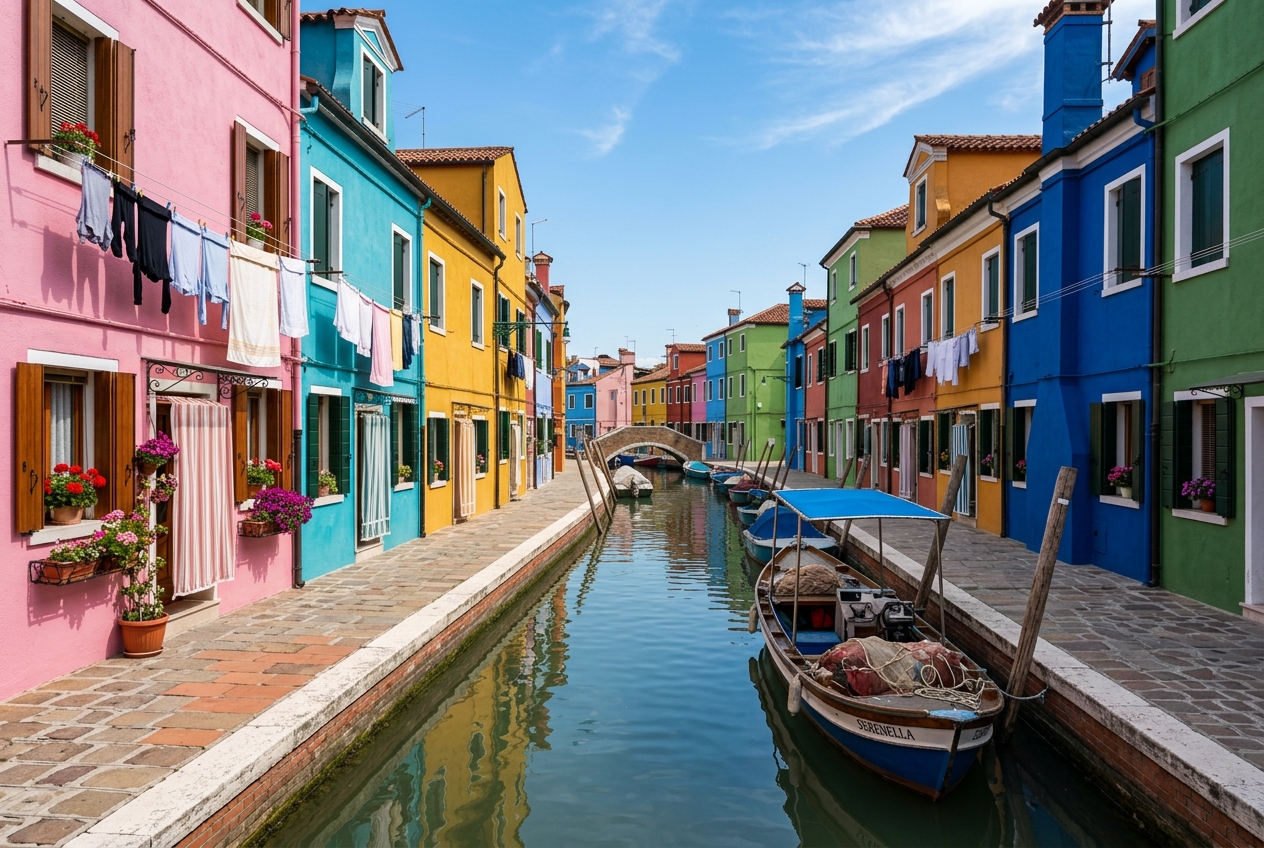
Burano (40 minutes) — Italy's most photographed houses: each painted its own colour so fishermen could recognise them in the fog. Lace, goby risotto and a leaning bell tower.
Torcello (5 minutes from Burano) — the cradle of Venice: the 7th-century cathedral of Santa Maria Assunta with Byzantine mosaics and almost nobody around. The perfect place for a quiet conversation.
The Lido — 12 kilometres of beaches, the film festival in September, Liberty-style villas and the only island with cars.
The Giudecca — opposite San Marco, with the best view of the city, Palladio's Redentore church and hotels in former factories. Come here for the sunset.
San Giorgio Maggiore — one stop from San Marco, a bell tower with a better view than the Campanile and no queues.
Carnival and the Rest of the Year's Events
Carnival (the two weeks before Lent, usually February) — masks, 18th-century costumes, the "Flight of the Angel" from the Campanile, palazzo balls at €500 a ticket and free shows on San Marco. The city is packed and hotels go six months ahead. Tip: come on weekdays of the first week, and buy your mask at a workshop in Dorsoduro, not from a stall.
The Redentore (third Saturday of July) — the most Venetian festival: a pontoon bridge across the Giudecca canal, dinner on boats and a half-hour firework display over St Mark's Basin.
The Biennale — art in odd years, architecture in even ones, from May to November in the Giardini and the Arsenale.
The Regata Storica (first Sunday of September) — a costumed procession of boats along the Grand Canal and gondolier races.
The Venice Film Festival — late August to early September on the Lido.
When to Go, and What Acqua Alta Is
- April–June and September–October — the best time: +18…+26 °C, long light, manageable crowds.
- July–August — heat, humidity and peak tourists; but also the Redentore and the film festival.
- November–January — fog, silence, low prices and acqua alta: tides that flood San Marco for a few hours. Since 2020 the MOSE barriers close the lagoon at high water, but rubber boots in November are still a good idea.
- February — Carnival: cold, expensive and unforgettable.
Where to Stay
- San Marco — if the view and the status matter; noisy and expensive.
- Dorsoduro — for a couple: quiet canals, museums, the Zattere waterfront.
- Cannaregio — for those who want to live like a local, and for convenience from the station.
- Castello — calm, green, close to the Biennale.
- The Giudecca — Venice framed in your window and silence; 5 minutes to the city by vaporetto.
- Mestre on the mainland — half the price, 10 minutes by train, but it isn't Venice.
What to Eat and Drink
Cicchetti in the bacari of San Polo and Cannaregio (snacks at €1.50–3 with a glass of "ombra"), sarde in saor, bigoli with anchovies, cuttlefish risotto, fegato alla veneziana, bussolà biscuits from Burano. Spritz here is made with Select, not Aperol. Don't eat on St Mark's Square, and don't sit anywhere the menu has photos.
Practical Tips
- Download an offline map: Google Maps gets lost in the calli.
- Addresses are written as "Sestiere + number" (for example, Dorsoduro 2570) — no street. Always give hotels by their exact name.
- Buy a vaporetto pass for your whole stay — single tickets will ruin you.
- A wheeled suitcase over the bridges is an ordeal: take a taxi to the landing nearest your hotel.
- Since 2024 an access fee (€5–10) applies to day-trippers on peak days; overnight hotel guests are exempt.
- Feeding the pigeons on San Marco is banned, and so is swimming in the canals.
A Three-Day Plan
Day 1 — San Marco and the Grand Canal. The square before 8 am → the basilica and the Doge's Palace → the Bridge of Sighs → vaporetto No. 1 along the whole Grand Canal → Rialto and the market → sunset on the Zattere.
Day 2 — art and the quiet sestieri. The Accademia → the Guggenheim → the Salute → Dorsoduro on foot → the Frari and San Rocco → cicchetti in Cannaregio → the Ghetto → dinner on the Misericordia.
Day 3 — the islands. Murano in the morning → Burano → Torcello → back via Fondamente Nove → sunset from San Giorgio Maggiore or the Giudecca.
Flowers in Venice: How to Make the Trip Special
Venice is a city of honeymoons, anniversaries and gondola proposals. It's also a city where ordinary logistics don't work: a florist can't pull up to the hotel in a car, and a hotel with two entrances — from the calle and from the water — is something you need to know.
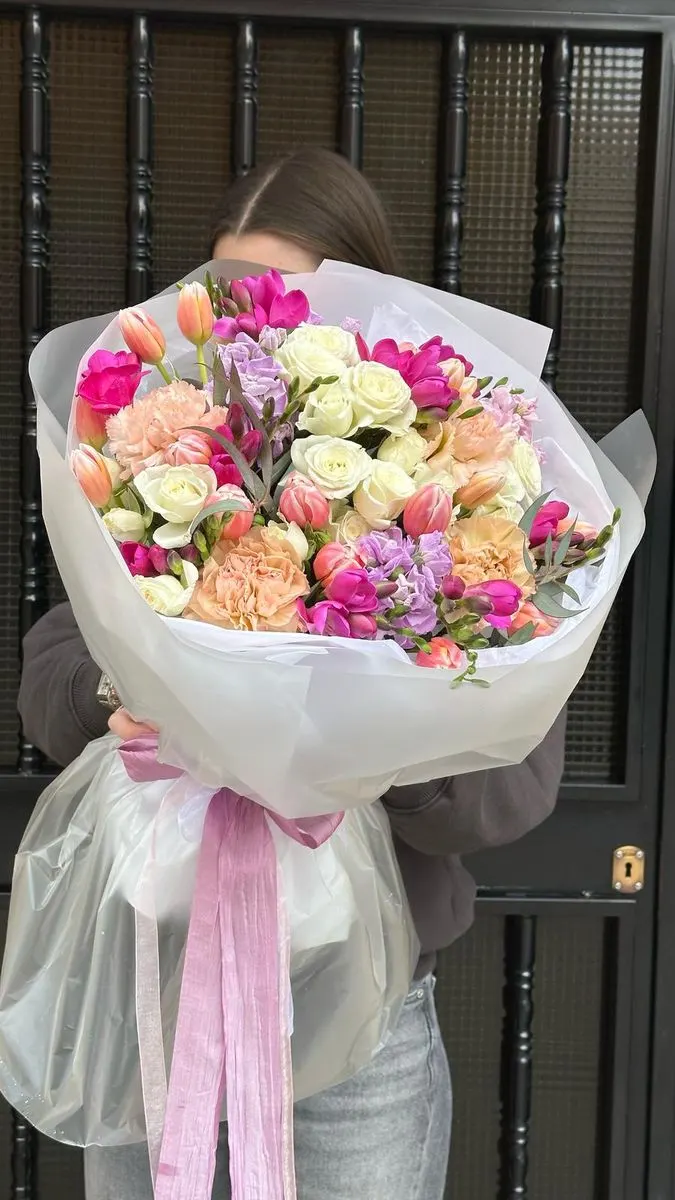
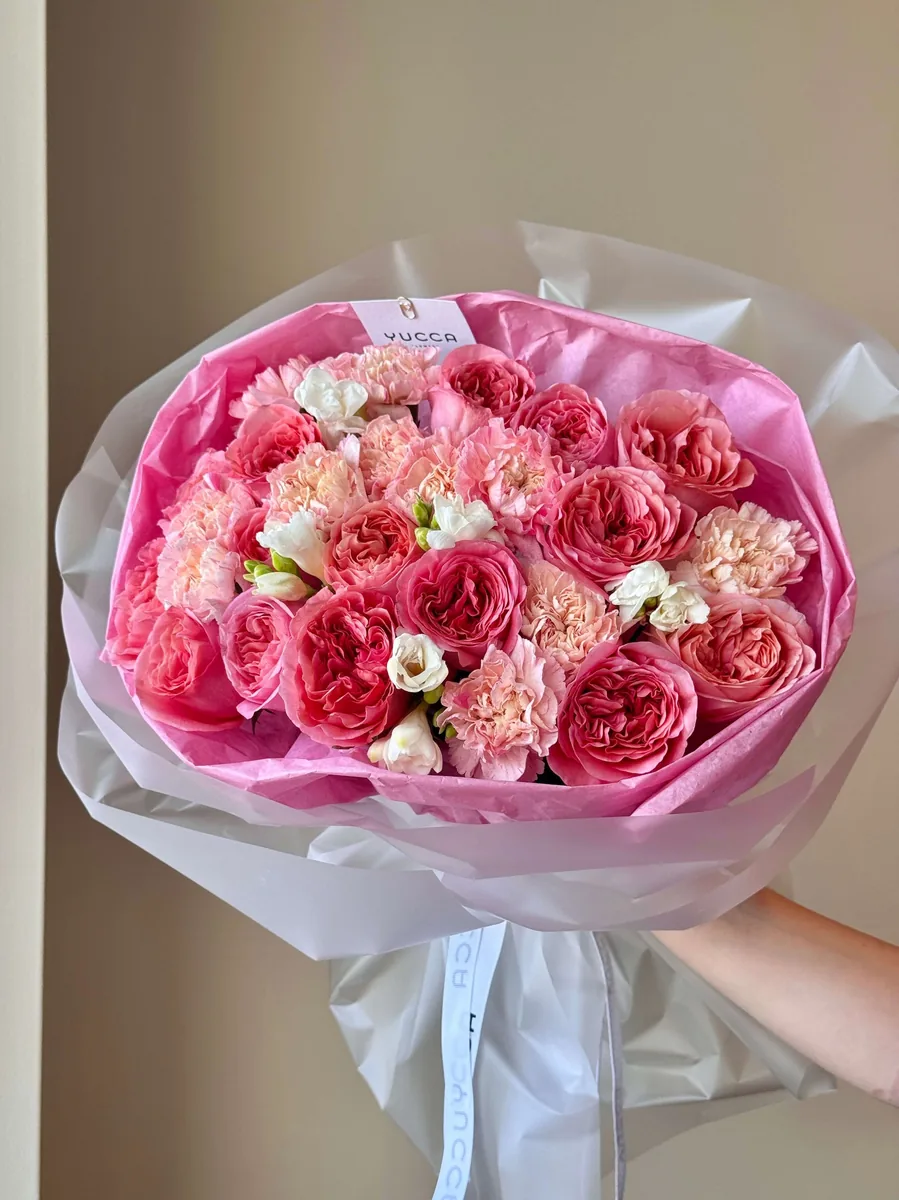
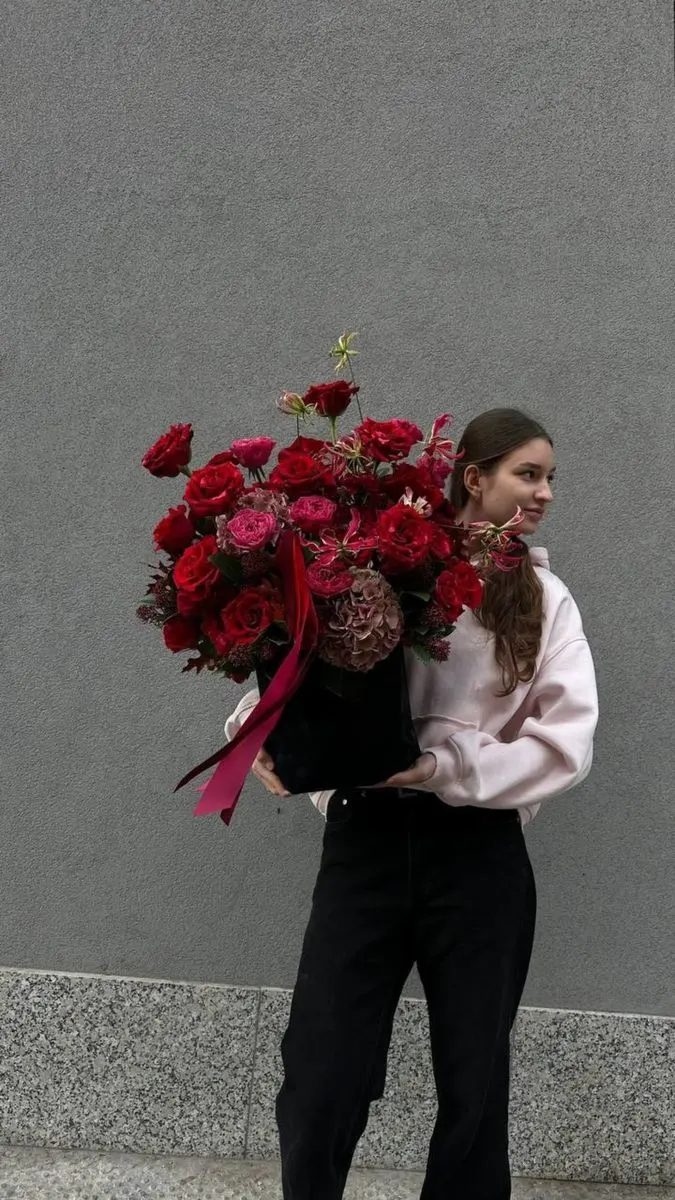
YUCCA Flowers delivers flowers across Venice the way the city moves: on foot over the bridges, by vaporetto along the Grand Canal and by water taxi for urgent orders and the islands. The bouquet travels in a rigid thermal box protected from spray and crowded landings. We deliver to hotels and palazzi, apartments, restaurants, gondolas at the landings, Santa Lucia station and Marco Polo airport; to Murano, Burano, the Lido and the Giudecca on request.
How it works:
- Choose a bouquet in the Venice catalogue — prices in euros, from €88 to €1,810.
- Message us on WhatsApp: the hotel name and guest name (or sestiere and number), date, time and card text.
- Pay by card from any bank, in cryptocurrency or by transfer — the price is fixed.
- Receive a photo of the finished bouquet before the courier leaves, and a confirmation after hand-over.
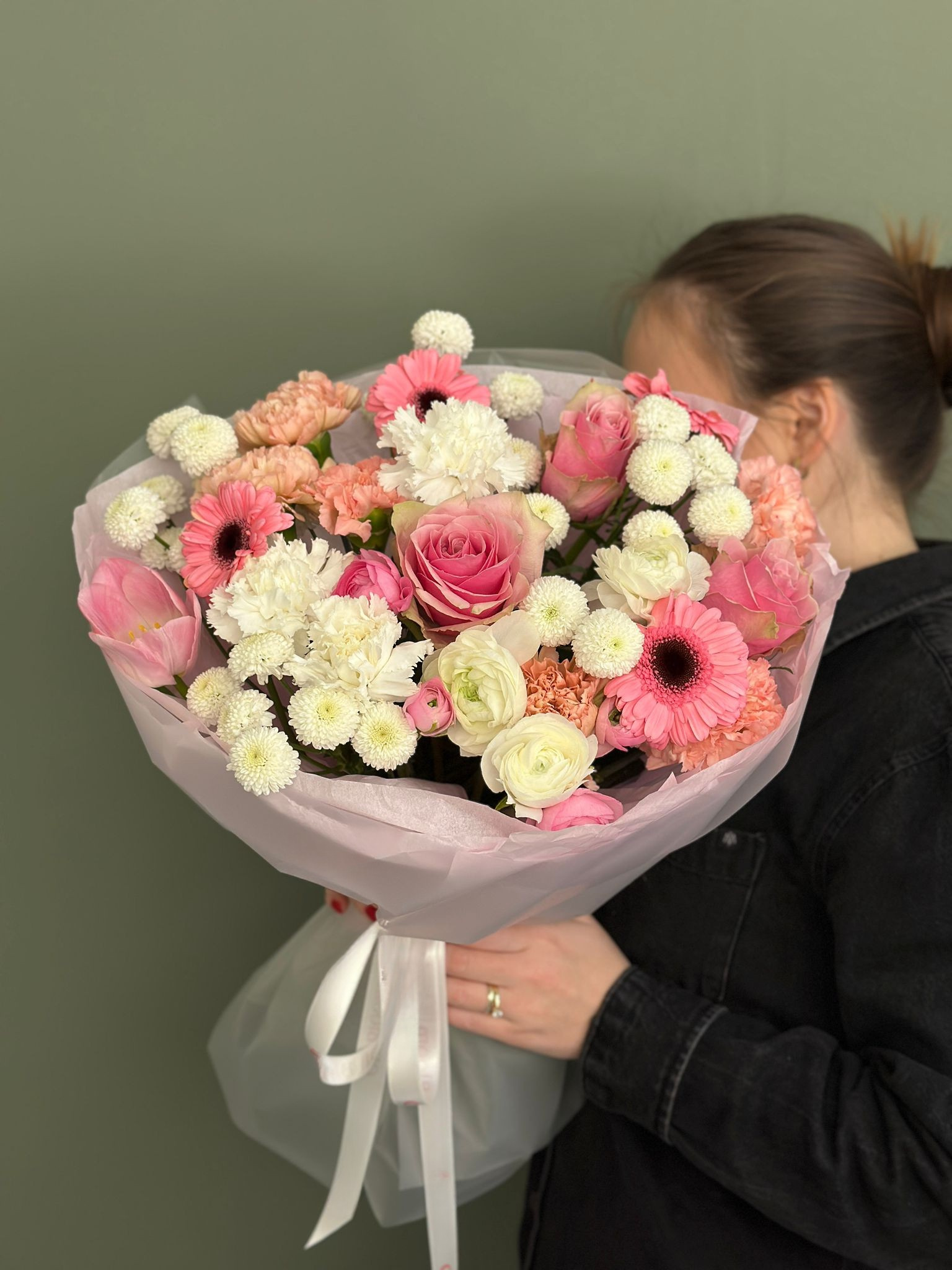
Across the six sestieri we usually deliver within 3–5 hours; during Carnival, the Redentore and acqua alta, order 1–2 days ahead. For the lagoon's humidity and the wind at the landings we recommend roses, ranunculus, calla lilies, irises and orchids; in the Venetian palette — red, Murano blue, golden ochre.
Bouquets for Venice
San Marco
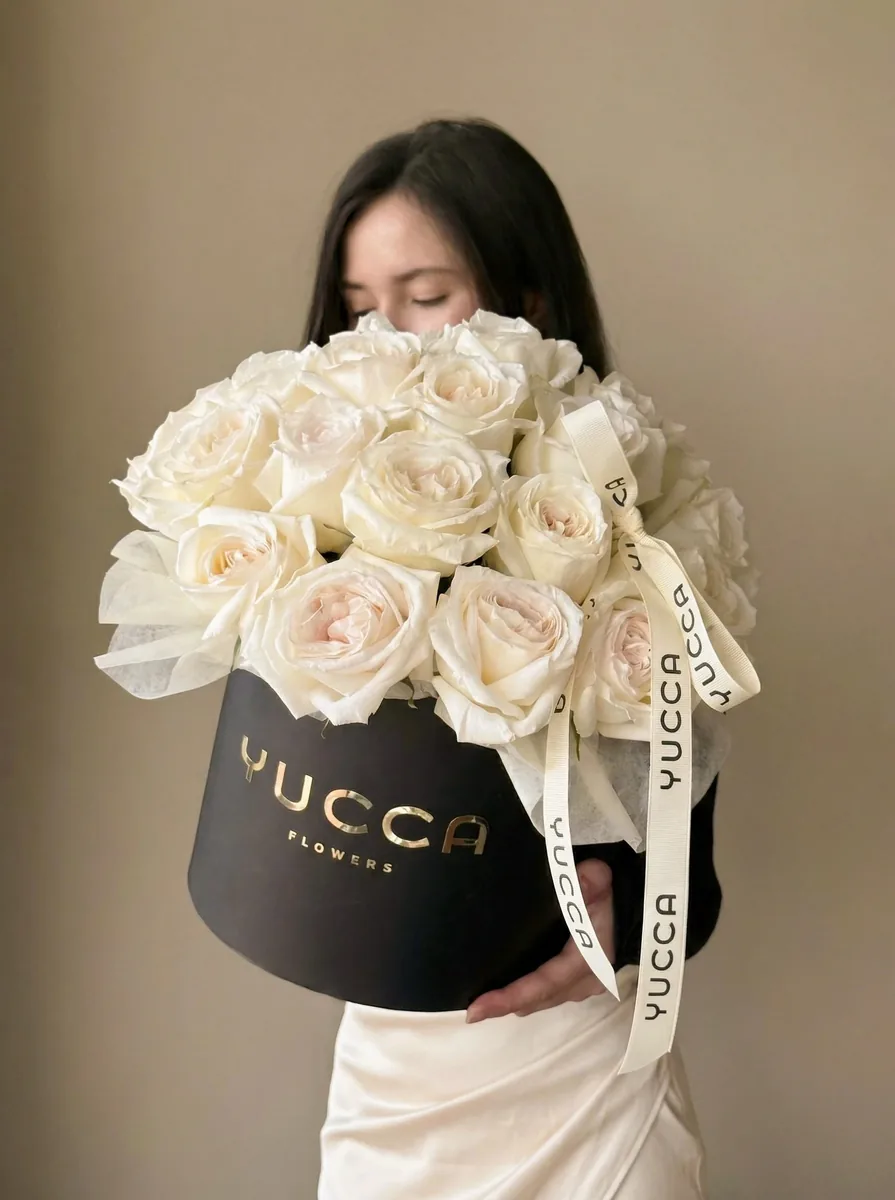
Gondola
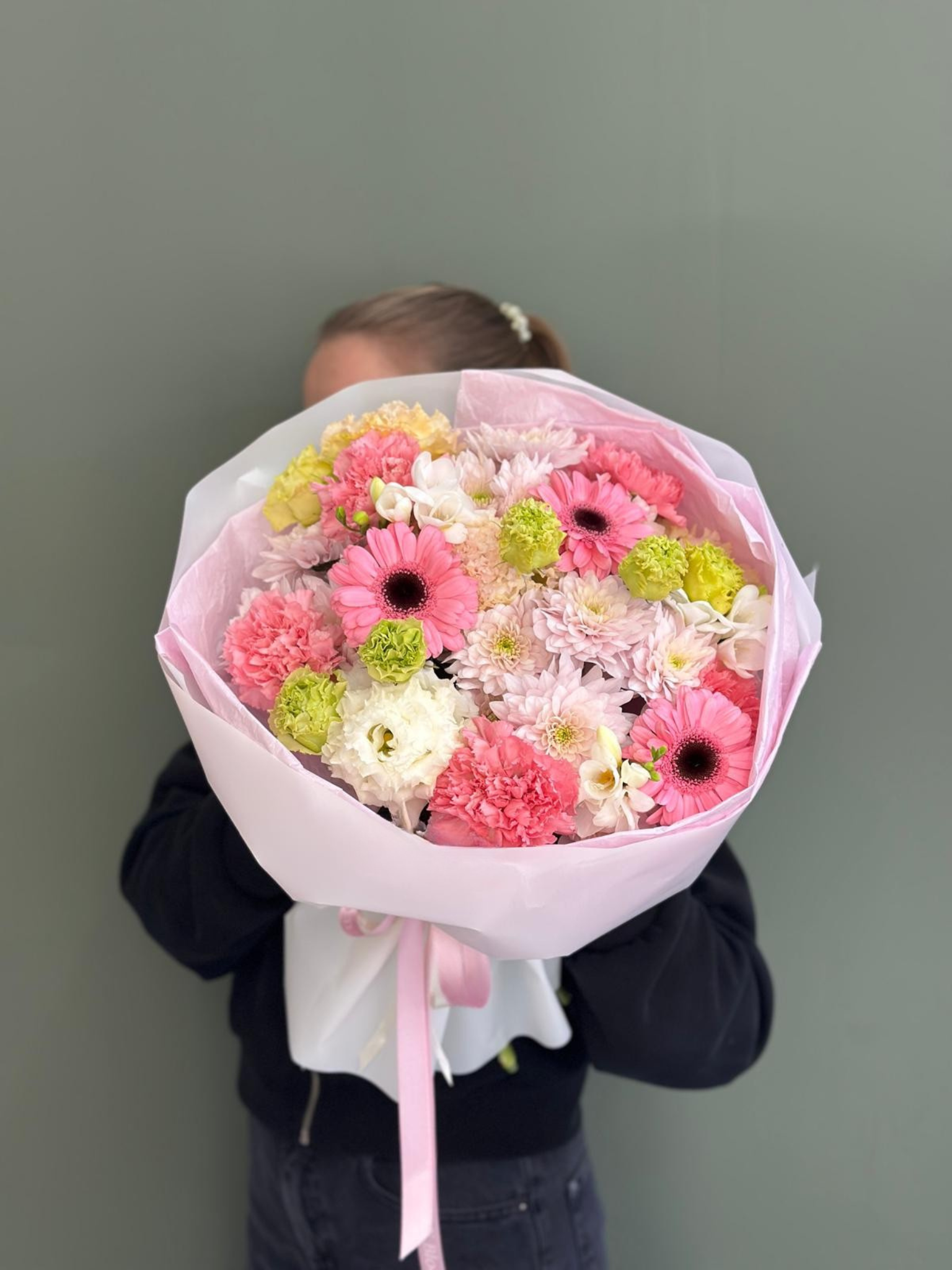
Burano
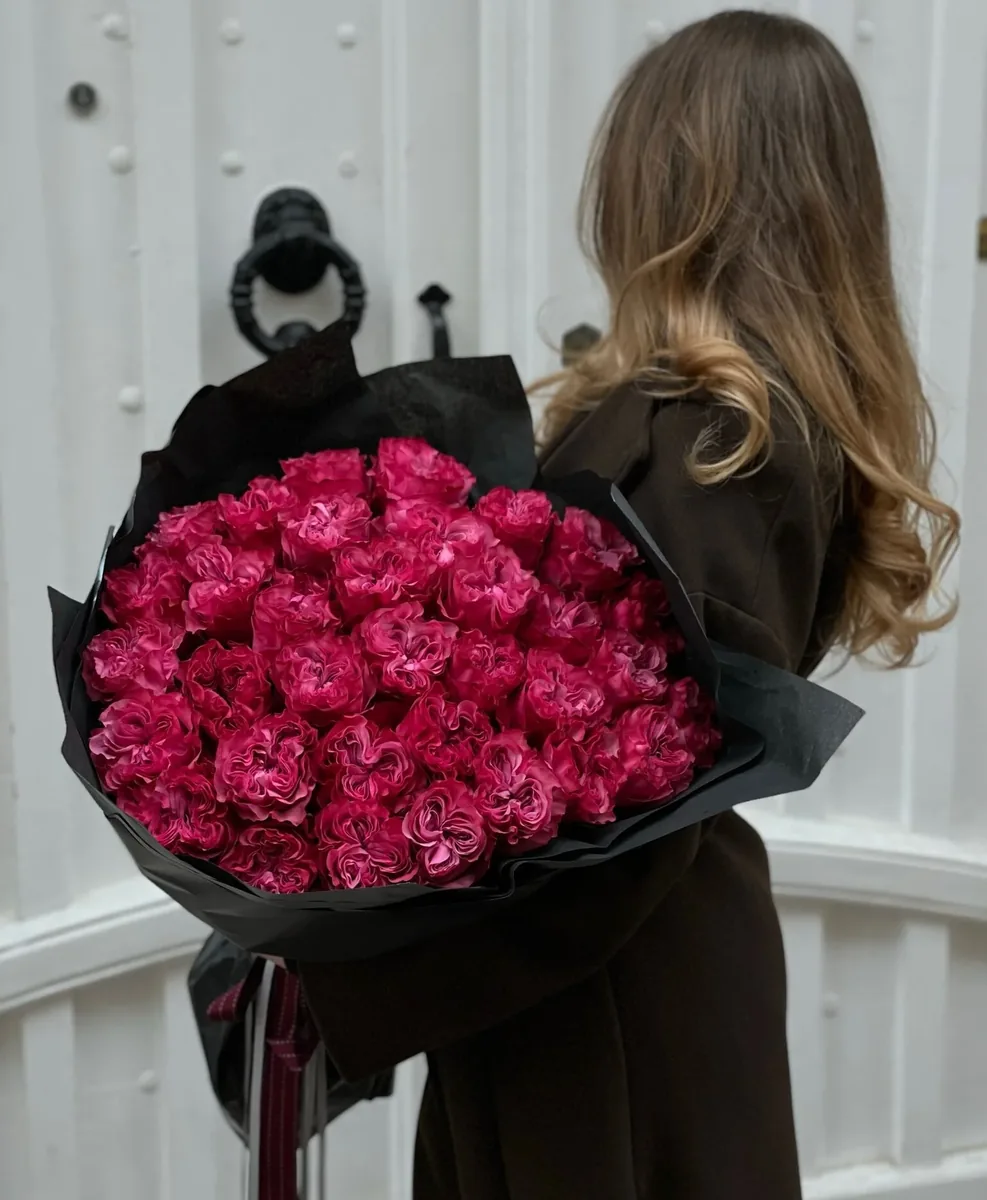
Carnival Mask
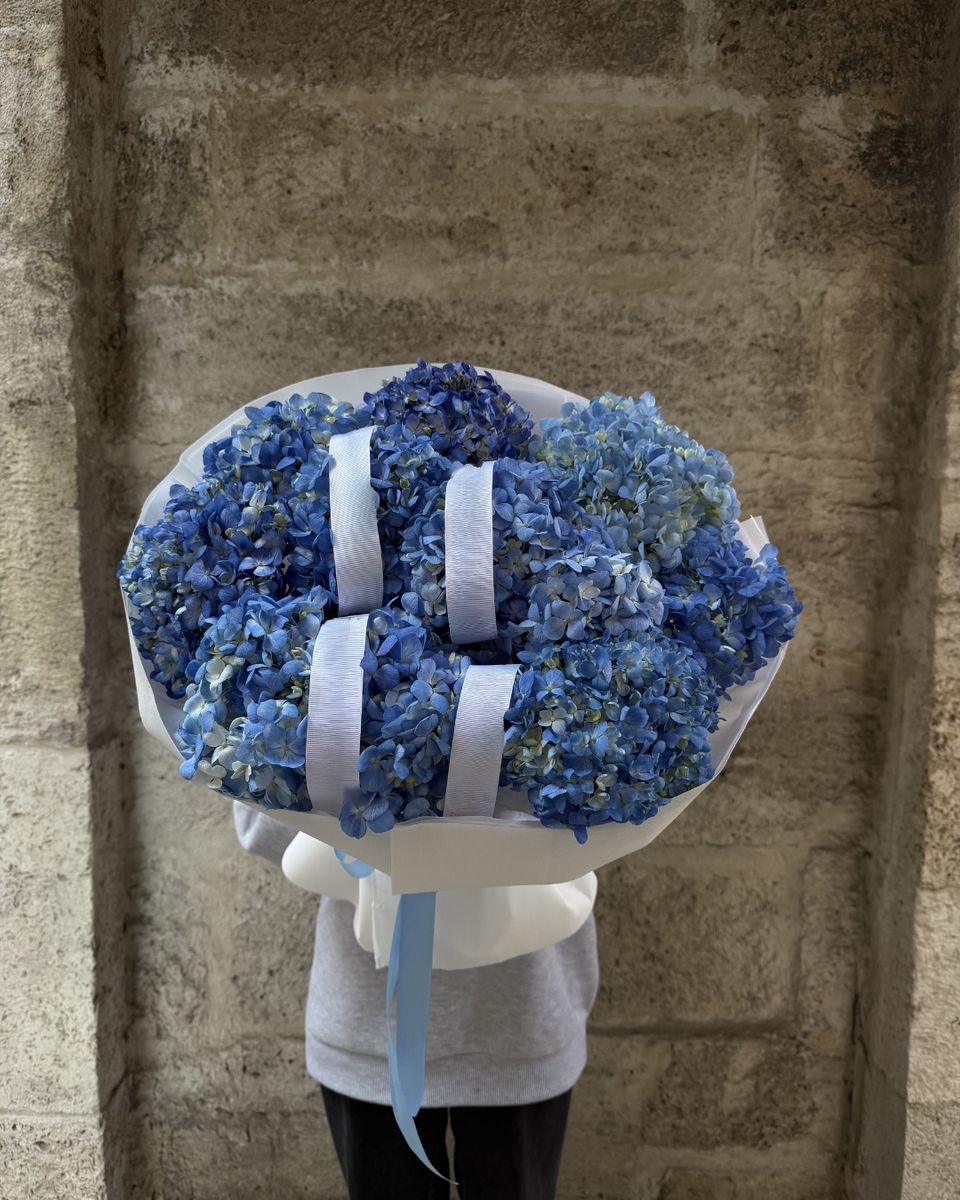
Grand Canal

A Hundred Lagoon Roses
The full catalogue — flowers in Venice.
FAQ — Venice and Flowers
How many days do you need for Venice? Two full days for the city and a third for the islands. With Verona or Lake Garda — five.
Is Carnival worth it? Yes, if you're ready for crowds and prices. The best days are weekdays of the first week; book your hotel six months ahead.
What is acqua alta, and is it dangerous? A seasonal tide that floods the low parts of the city for a few hours, mostly from October to January. Not dangerous: walkways go up, overshoes are sold, and the MOSE barriers close at high water.
How do I get flowers to a hotel in Venice? Send us the hotel name and the guest's name in Latin letters — the courier brings the bouquet by vaporetto or water taxi and hands it to the concierge or places it in the room for check-in.
How much does flower delivery cost in Venice? Bouquets from €88, delivery across the six sestieri included. For the islands we confirm the water-taxi cost on order.
Can I pay from abroad? Yes: cards from any bank, cryptocurrency, transfers. The price in euros is fixed immediately.
Do you send a photo of the bouquet? Always — before the courier leaves, so you see what the person will receive.
Flower Delivery Nearby: Verona, Lake Como and Northern Italy
Venice is a great base for northern Italy, and we work along the whole route:
- Verona — 1 hour 10 minutes by train: the Arena, Juliet's balcony, the summer opera season.
- Lake Como — the villas of Bellagio and Varenna, 3 hours via Milan.
- Bologna, Florence, Genoa, Portofino.
- The south: Naples, Sorrento, Capri, Amalfi, Palermo, Catania.
- Sardinia: Porto Cervo, Porto Rotondo.
Flowers Across Europe and the World
- Europe: Barcelona, Nice, Cannes, Monaco, Santorini, Dubrovnik, Lisbon, Krakow.
- Turkey and the Middle East: Istanbul, Antalya, Dubai, Abu Dhabi.
- Asia: Phuket, Bangkok, Bali.
- All cities are on the YUCCA Flowers home page. Similar guides: A Guide to Palermo, A Proposal on Etna.
Order Flowers in Venice
Open the Venice flower catalogue, choose a bouquet and message us on WhatsApp — the hotel, the date, your wishes. The rest — the vaporetto, the bridges, the second entrance from the water and a photo before hand-over — is on us.
YUCCA Flowers — flower delivery in Venice, Italy: San Marco, San Polo, Santa Croce, Dorsoduro, Cannaregio, Castello, the Giudecca, the Lido, Murano, Burano. Bouquets from €88, same-day delivery by vaporetto and water taxi, payment from any country.
READER EXCLUSIVE
5% off your first order
Because you came from our blog, enjoy 5% off your first order. Just mention promo code BLOG5 to the florist on WhatsApp.
Popular bouquets in Venice
Same-day delivery · photo before sending