Venetian Boats as Works of Art: The History of Festive Floral Decoration on the Water
In short: Venice has no carriages, so everything other cities did with their coaches — gilding, draping, dressing with flowers — Venice has done for five centuries with boats. Out of that simple substitution grew a whole culture: parade bissone with carved prows and eight rowers that take to the Grand Canal once a year in memory of the water cortège of 1489; black gondolas, their colour prescribed by seventeenth-century sumptuary laws; palaces that hung tapestries and garlands of flowers from their balconies for regattas, turning the canal into a theatre; and today's wedding gondola wound with white roses and hydrangeas — the only boat in the city where fresh flowers became the main ornament. Below: how it works era by era and boat by boat, the calendar of water festivals, why geraniums on balconies are part of the city's face, and how flowers are delivered at all in a place with no wheels. At the end — twelve answers to frequent questions.
Bouquets delivered across the city and islands — on the flower delivery in Venice page, prices in euros. Nearby in northern Italy: Verona, Bologna, Genoa. How the city works and when to go — Venice: six sestieri, the islands and the Carnival.
Why in Venice a Boat Is a Showcase, Not Transport
In any other European city a family's standing could be read from its carriage: the horses, the liveries, the crest on the door. In Venice the street is water, and the carriage's role went to the boat. A patrician family kept its own gondola with a private gondolier in the house colours, and on feast days brought out parade boats with carving, gilding and canopies. The boat became the thing people looked at — and the thing people showed.
Hence the two threads this story is made of. The first is the boat as object: carving, paint, gold, fabric and, later, flowers. The second is the water as stage: when something happens on the Grand Canal the spectators stand on balconies, and the palaces dress up just as the boats do. Both threads are alive today, and over the last hundred years both have swapped gold for flowers.
1489: The Water Cortège for Caterina Cornaro That the City Re-enacts Every September
The key date in Venetian decoration on the water is 1489. Caterina Cornaro, Venetian by birth and Queen of Cyprus by marriage, handed her island to the Republic and came home. The city met her with a water cortège along the Grand Canal: dozens of boats dressed in fabric and gold, rowers in costume, music from the water. It was more than a reception — it was a demonstration that Venice could make a festival out of the canal itself.
That entry is what the Regata Storica — the historical regatta held on the first Sunday of September — re-enacts today. Before the races along the Grand Canal comes the corteo storico, a costumed cortège of dozens of traditional boats, and it is there that you can see the Venetian boat as a work of art, the way it was conceived five hundred years ago.
The Bissone: Ten Parade Boats, Each with Its Own Name and Decoration
The heart of the cortège is the bissone, parade boats for eight rowers. The name comes from the Venetian 'bissa', water snake: the long narrow hull really does slide over the water like one. The bissone once had a policing role: patricians in the bow kept order during regattas and threw clay balls at boats that got too eager. Today a bissona has one job — to be beautiful.
Ten bissone are in service, and each is decorated to match its name: 'Veneziana' in the colours of the city, 'Bizantina' with golden mosaic motifs, 'Cinese' with dragons and oriental carving, 'Floreale' covered in carved and painted flowers, 'Pescantina' with fishing nets and the gifts of the lagoon, 'Geografia' with maps and globes, 'Nettuno' with sea horses, 'Rezzonico', 'Querini' and 'Cavalli' in the heraldic colours of patrician houses. Alongside them go the flagship 'Serenissima' with eighteen rowers and the 'Dogaressa', a four-oared gondola with the finest carving. One thing matters here: the bissone's decoration is carving, paint and fabric, not fresh flowers; fresh flowers in Venice dress other boats, as we will see below.
Why the Gondola Is Black — and How Colour Came Back Through Flowers
The gondola was not always black. In the fifteenth and sixteenth centuries patricians competed over whose boat was richer: gilding, velvet, brocade, carved figures. That ended in the seventeenth century, when the Provveditori alle Pompe — the magistrates who policed spending on luxury — passed a series of laws banning excessive decoration, gilding and costly fabrics on gondolas, on pain of confiscation and destruction of the boat. A black hull became the only permitted finish — and over three centuries turned into a symbol.
Today the gondola is a rare example of a restriction becoming a style. The only 'allowed' details are the ferro, the iron comb at the bow with six prongs for the six sestieri and a seventh facing backwards for the Giudecca; the forcola, the carved rowlock still made by hand; the velvet of the cushions and a few small brass figures. Colour returns to the gondola through flowers — but only on special occasions.
Tapestries, Damask and Garlands: How Palaces Dressed for Regattas
If the boat is the actor, the palazzo is the box. From the days of the Republic, for regattas and cortèges the palaces on the Grand Canal became one continuous set: tapestries, damask and oriental carpets hung from the balconies, with festoons of flowers and greenery between them. Chroniclers describe how on a feast day the canal became an 'open-air theatre' in which the spectators on the balconies were part of the show.
That tradition too has survived in a simpler form. On the day of the Regata Storica carpets and fabrics appear on the facades, and flower arrangements stand on the landing stages along the route. It is the one day when the whole Grand Canal is decorated to a single design — and a good moment to understand why Venetians have believed for centuries that a festival begins on the water.
The Wedding Gondola: A Modern Flower Tradition on the Water
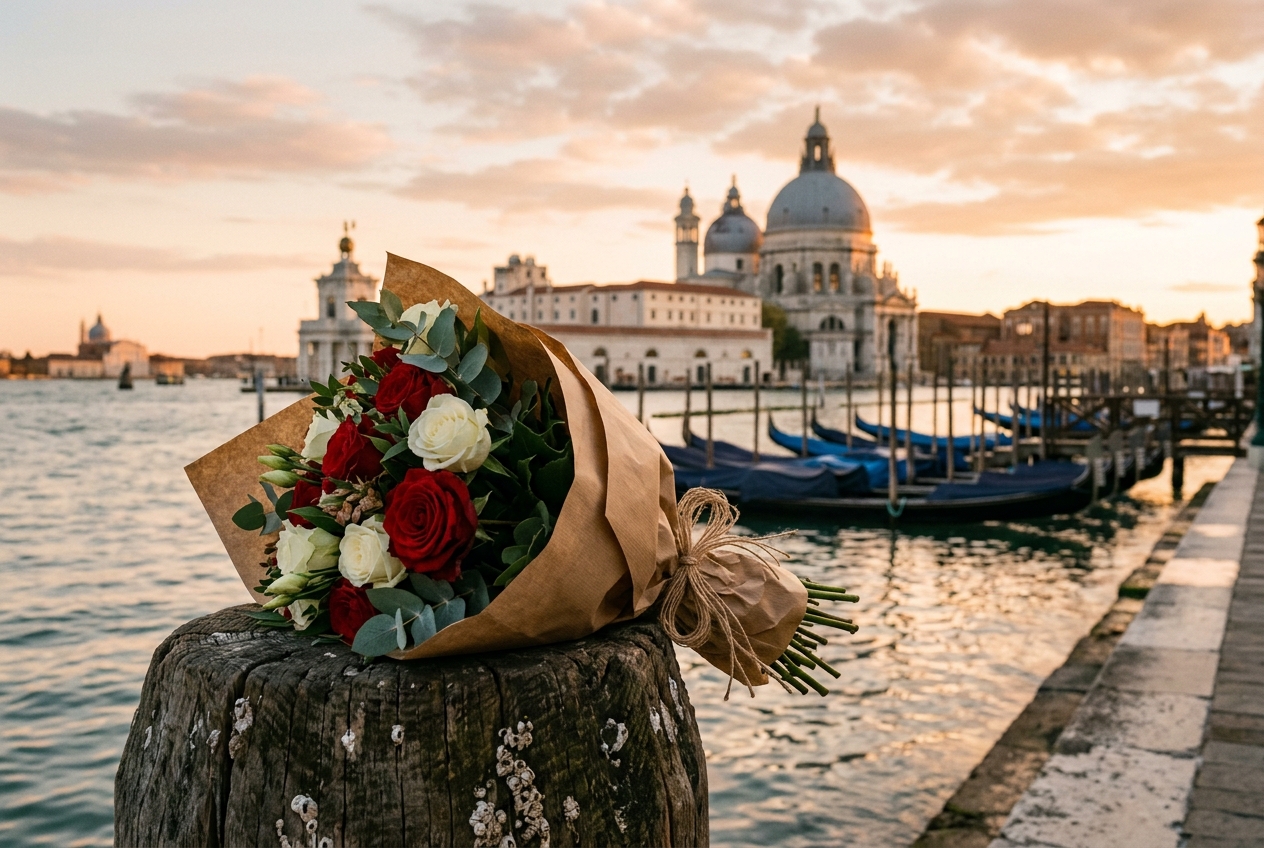
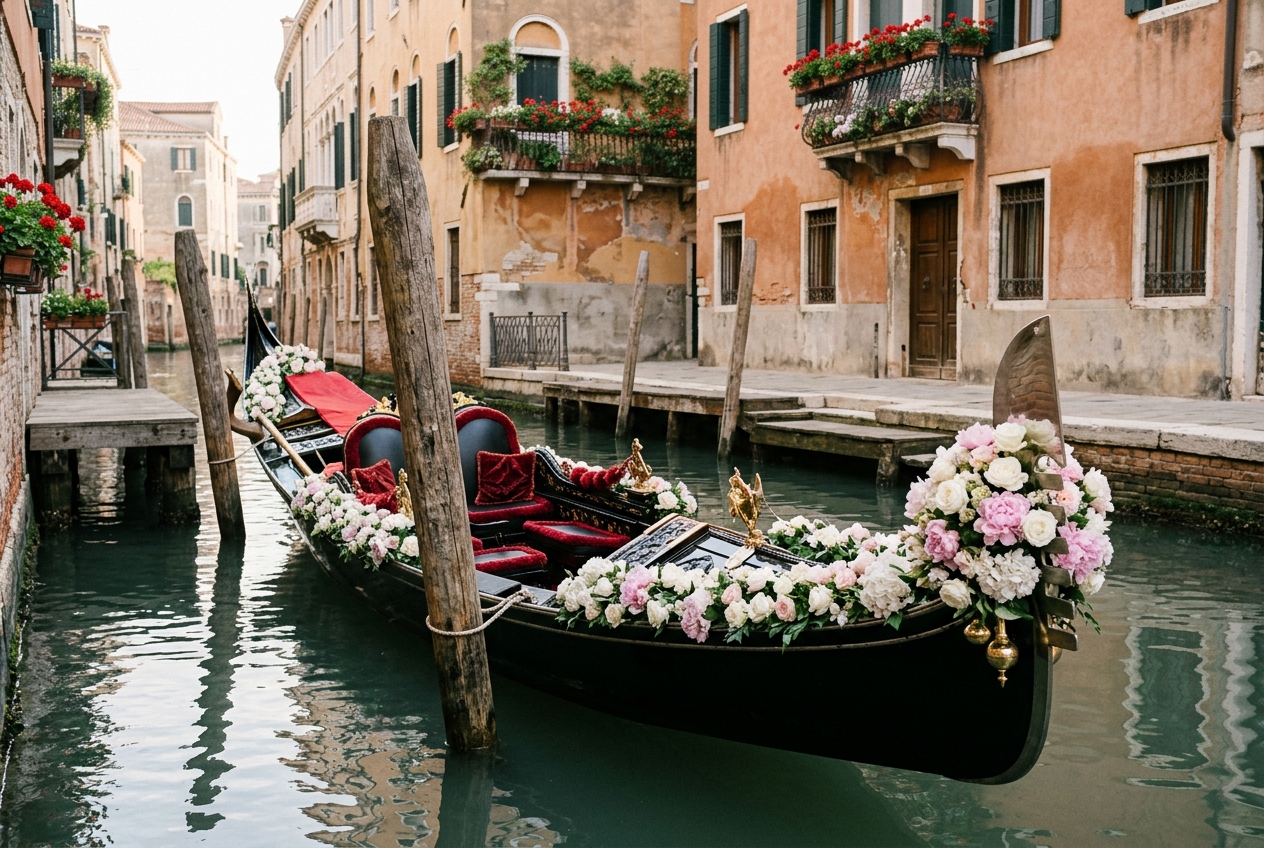
The one boat where fresh flowers are the star is the wedding gondola. The bride travels to the palazzo or the town hall by water; the gondolier is in white rather than the striped shirt; the gunwales are wound with garlands of white roses, peonies and hydrangeas, there is a full arrangement at the bow and greenery and ribbons at the stern. This is not a ritual of the Republic but a tradition of the last century, which Venice has adopted as its own: the boat-carriage finally got its flowers.
Floral decoration on water has its own technique. Salt air, wind and swell — so the florist works with floral foam in waterproof bases, fixes the garlands to the gunwales with soft ties that do not scratch the lacquer, and chooses flowers that hold their shape in warmth: roses, hydrangeas, lisianthus, eucalyptus greenery. The arrangements are made on the morning of the event and brought by boat to the mooring — to the gondoliers' stazio at Bacino Orseolo, at the Rialto, by the railway station or to a hotel on the Riva degli Schiavoni. On the Grand Canal the wash from the vaporetti is stronger than in the small canals, so for photographs the gondola is more often taken along the side rii.
The Calendar of Water Festivals: Where to See Decorated Boats
| Event | When | Where | What you see |
|---|---|---|---|
| Festa Veneziana sull'acqua — the opening of Carnival | February, the first weekend of Carnival | Rio di Cannaregio | A night cortège of decorated boats from Punta della Dogana; the city's rowing clubs in costume, lights, confetti |
| Vogalonga | May, a Sunday | 30 km across the lagoon and along the Grand Canal | Since 1975 — a non-competitive row of thousands of boats, begun as a protest against motor wash; hundreds of boats decorated however their crews please |
| Regata Storica | First Sunday of September | Grand Canal | The historical cortège: ten bissone, the 'Serenissima', the 'Dogaressa', costumes; then races in gondolini and caorline |
| Carnival | February, two weeks | The whole city | Masked boats on the canals, decorated facades, daily outings by the rowing clubs |
| Wedding cortèges | All year, peaking May–June and September | Grand Canal and the small rii | Gondolas in fresh flowers — the only everyday floral decoration on the water |
Geraniums on Balconies and Altane: Why Flowers Became Part of the City's Face
The other half of Venice's floral face is not on the water but above it. The city has almost no gardens: land is the most expensive thing in the lagoon, and for centuries greenery went upwards. Hence the boxes of red geraniums on every second balcony, the oleanders in tubs in the courtyards and the altane — wooden roof terraces where Venetian women dried laundry and grew flowers in pots. From the water it reads as a single device: dark stone, faded plaster — and patches of red, pink and green above the canals.
The geranium took root for a reason: it tolerates salt, wind and heat, flowers from May to October and needs no soil — just a box and water. Hydrangeas love the shady courtyards of Dorsoduro and Cannaregio, bougainvillea clings to the walls of the Giudecca. If you order a bouquet to Venice 'in the spirit of the city', the florist will understand at once: roses with hydrangea and greenery are a Venetian balcony gathered into the hand.
How Flowers Reach a City with No Wheels
Delivery in Venice is a craft of its own. A car gets only as far as Piazzale Roma or the Tronchetto; after that it is boat or foot. A bouquet travels by vaporetto or water taxi to the nearest landing stage, and then the courier carries it over the bridges — there are more than four hundred in the historic centre, and every one has steps. So florists build arrangements in stable wrapping with water in the base, and at hotels on the Grand Canal the bouquet goes to the concierge at the water entrance.

Rialto
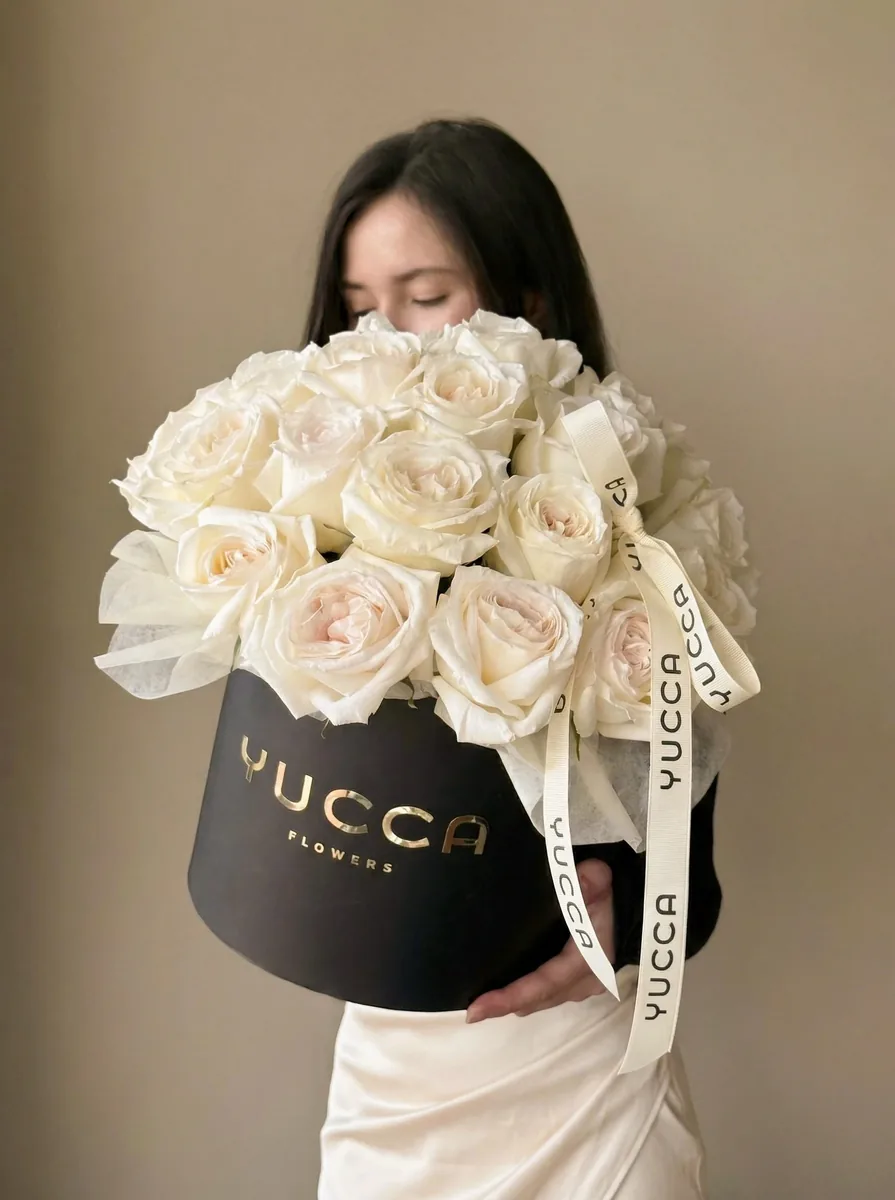
Gondola
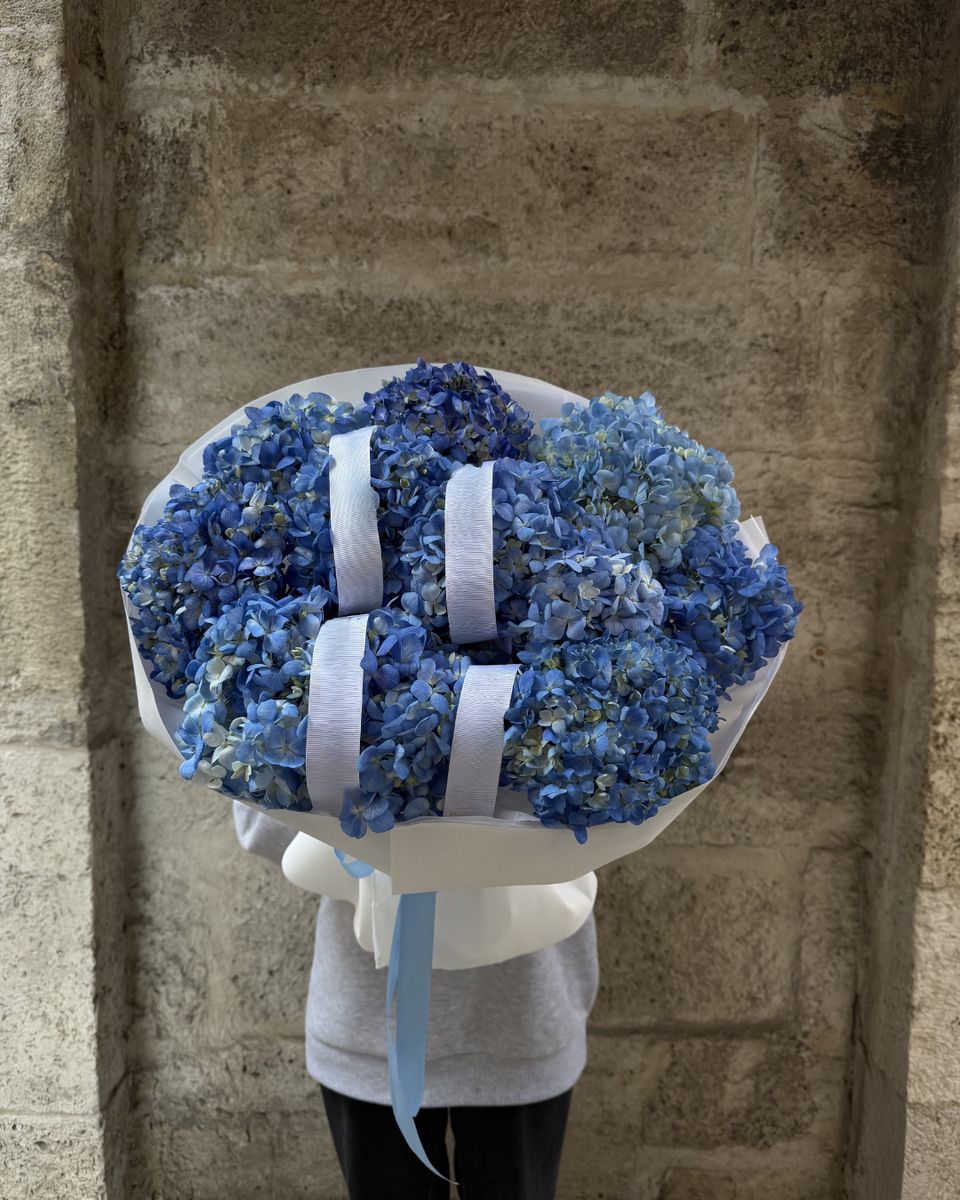
Grand Canal

Bridge of Sighs
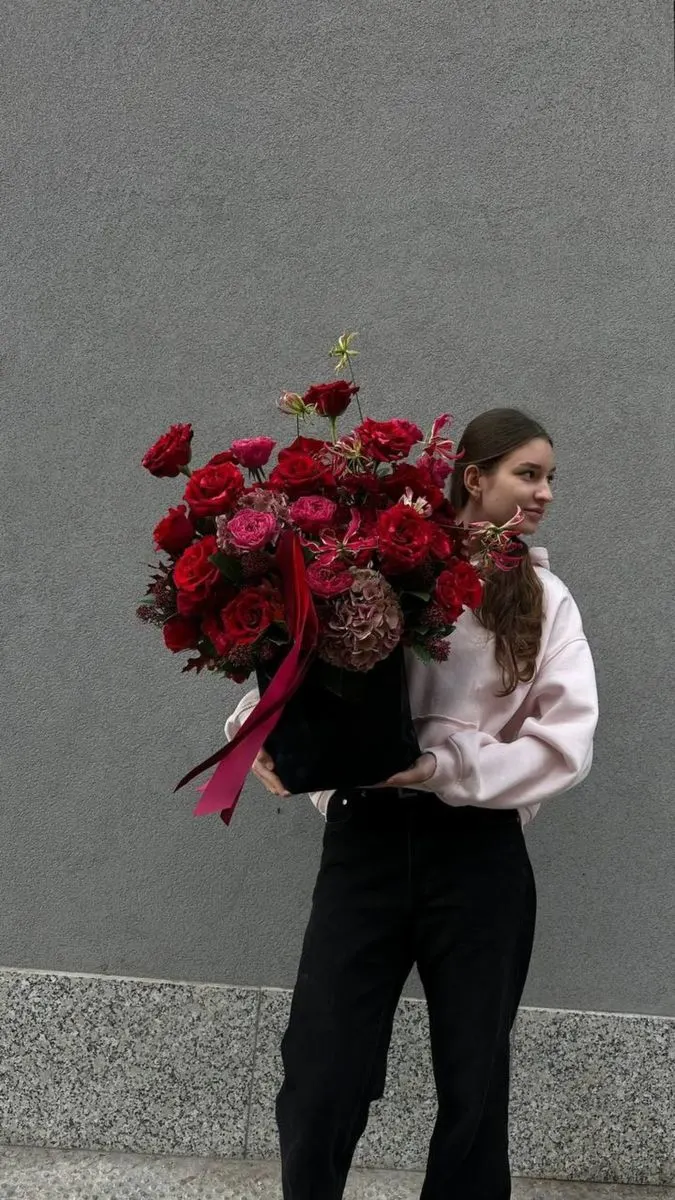
The Doges
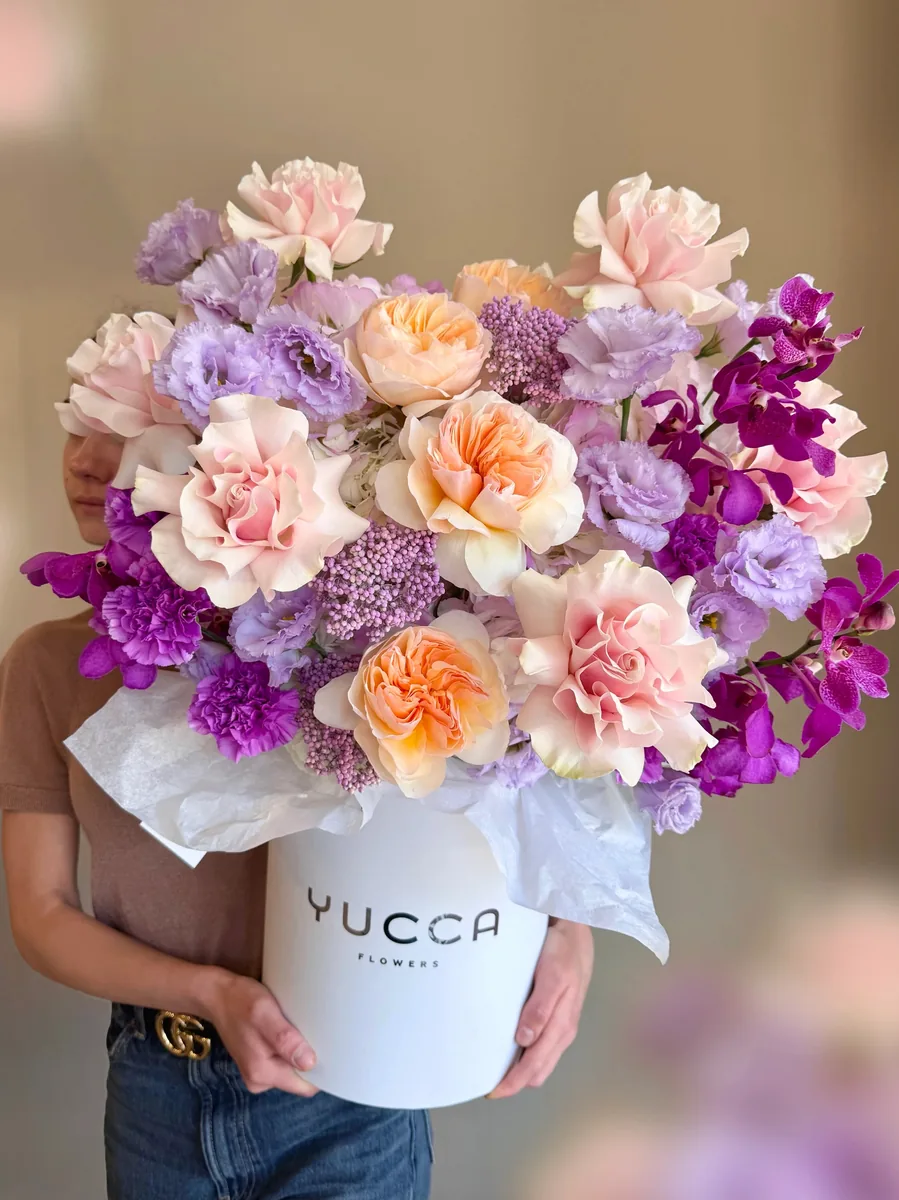
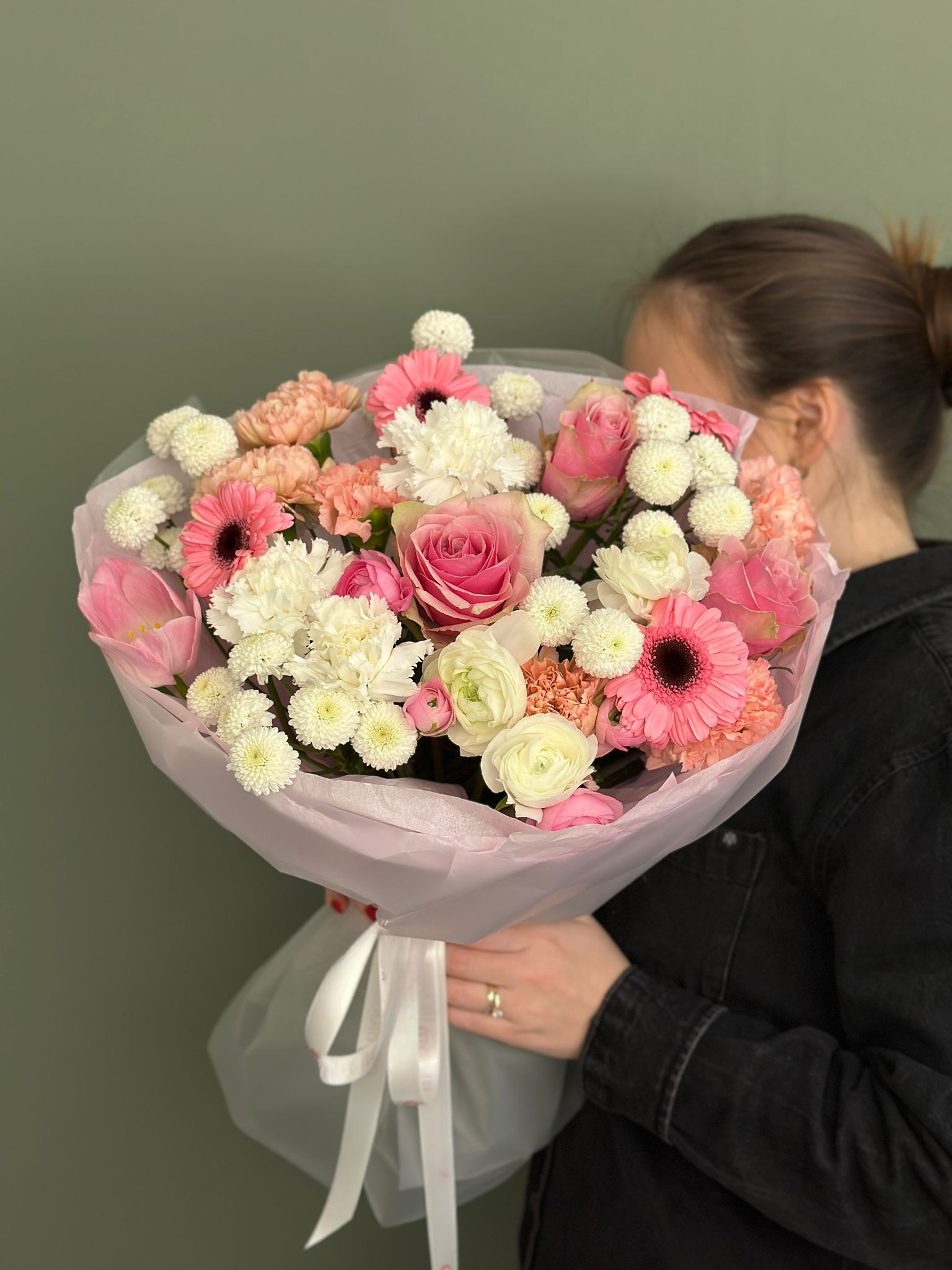
A Hundred Lagoon Roses
| Bouquet | What's inside | Price | When it fits |
|---|---|---|---|
| 'Rialto' | roses with greenery, compact | €99 | a thank-you, a welcome at Santa Lucia station |
| 'Gondola' | white and pink roses, lisianthus | €112 | an anniversary, 'just because' to a hotel |
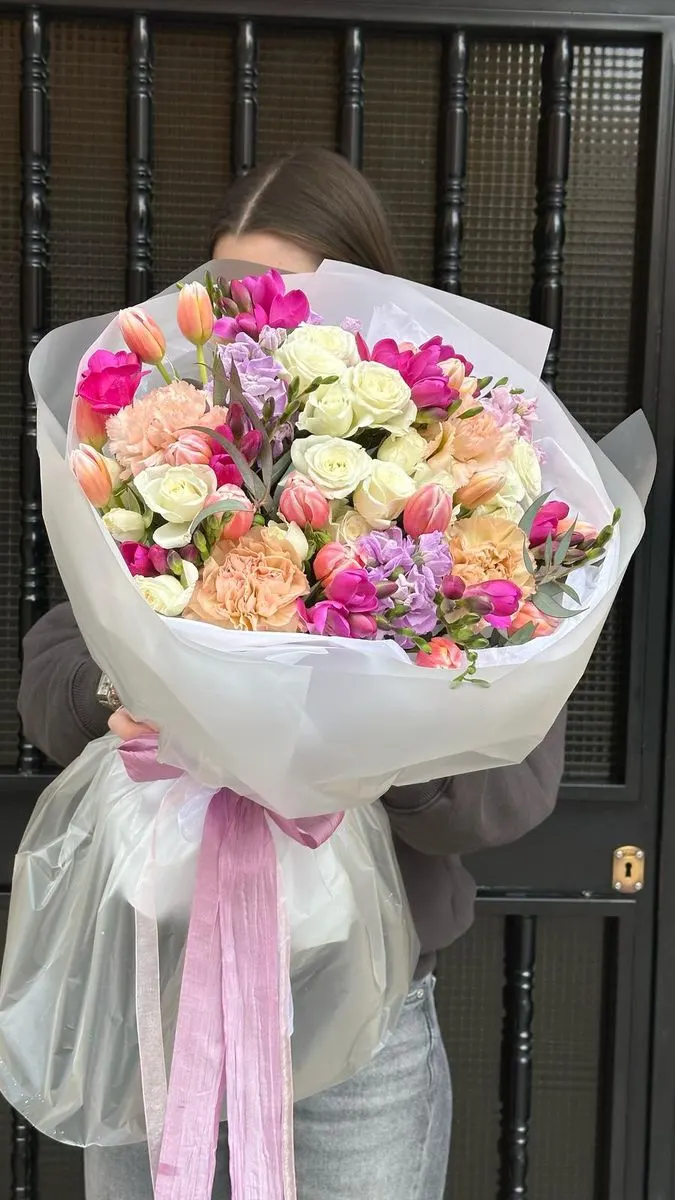
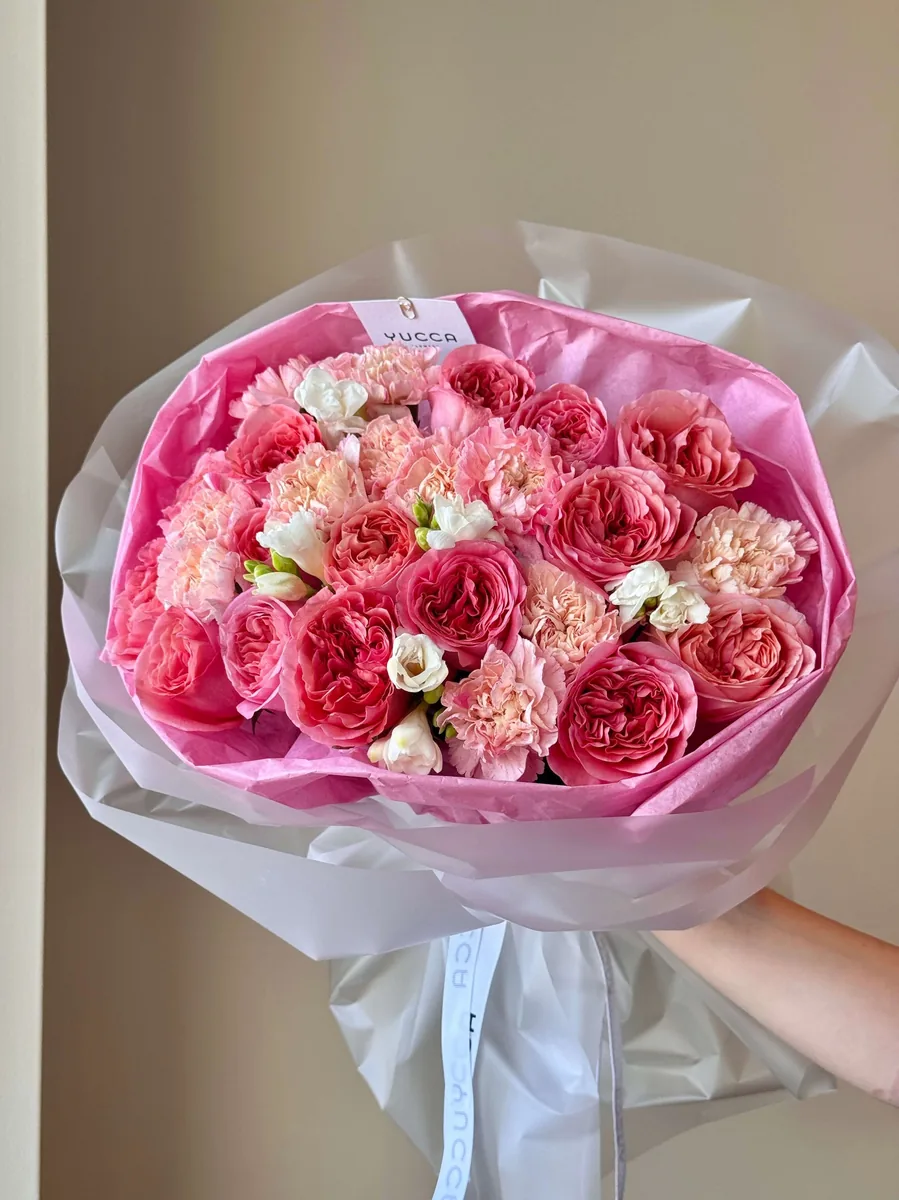
| 'Grand Canal' | garden roses and hydrangea | €266 | a birthday, a welcome at the landing stage |
| 'Bridge of Sighs' | red roses, large | €336 | a declaration, a proposal on the water |
| 'The Doges' | a premium arrangement in a box | €596 | a jubilee, a celebration in a palazzo |
| 'A Hundred Lagoon Roses' | one hundred roses | €712 | a wedding, the bride's gondola |
Payment is by a card from any country in euros, Apple/Google Pay, bank transfer or crypto; the recipient pays nothing. A photo of the finished bouquet reaches you before the courier leaves; the card can be in Italian, English or Russian. San Marco, San Polo, Dorsoduro, Cannaregio, Castello and Santa Croce — same day if confirmed by 13:00; the Lido, Murano and Burano — the next day.
Frequently Asked Questions About Venetian Boats and Flowers on the Water
What is a bissona? A Venetian parade boat for eight rowers with carved and painted decoration. The name comes from 'bissa', water snake. Ten bissone are in service today; you can see them in the cortège of the Regata Storica.
What are the bissone called and how do they differ? 'Veneziana', 'Bizantina', 'Cinese', 'Floreale', 'Pescantina', 'Geografia', 'Nettuno', 'Rezzonico', 'Querini' and 'Cavalli' — each decorated to its name: mosaics, dragons, flowers, nets, maps, sea horses, coats of arms.
Why are gondolas black? Seventeenth-century sumptuary laws banned gilding, costly fabrics and excessive decoration on gondolas; the black hull remained the only permitted finish and became the city's symbol.
Are gondolas decorated with flowers? Yes, but for special occasions — above all weddings: garlands of white roses, peonies and hydrangeas along the gunwales and an arrangement at the bow. The parade bissone are decorated with carving and paint, not fresh flowers.
When is the Regata Storica? On the first Sunday of September. First the historical cortège along the Grand Canal, then races in traditional boats.
What does the Regata Storica commemorate? The water cortège of 1489 for the return of Caterina Cornaro, Queen of Cyprus, who had handed her island to the Venetian Republic.
What other festivals on the water can I see? The opening of Carnival on the Rio di Cannaregio in February (a night cortège of decorated boats), the Vogalonga in May (since 1975, 30 km, thousands of rowing boats) and wedding cortèges all year round.
What is the Vogalonga? A non-competitive row across the lagoon and along the Grand Canal, started in 1975 as a protest against the motor wash that damages the city. Thousands of boats from all over the world take part.
What is the ferro on a gondola's bow and what do its prongs mean? The iron comb at the bow balances the gondolier at the stern. Six prongs forward stand for the six sestieri of the city, the seventh facing back for the Giudecca; the upper curve recalls the doge's cap.
Why are there so many geraniums on Venetian balconies? The city has almost no gardens, so for centuries greenery went to balconies and altane roof terraces. The geranium tolerates salt, wind and heat and flowers from May to October — the ideal flower for a box above a canal.
How are flowers delivered in Venice if there are no cars? By boat to the nearest landing stage and then on foot over the bridges; at hotels on the Grand Canal — via the concierge at the water entrance. Arrangements are built stable, with water in the base.
Can I order flowers for a bride's gondola from another country? Yes. Send the date, the mooring and the palette on the flower delivery in Venice page or on WhatsApp — the florist makes the garlands and the arrangement on the morning of the event and brings them to the gondoliers' stazio.
Where Next
- Order a bouquet to the city on the water — flower delivery in Venice: from €88, prices in euros, photo before hand-over.
- Nearby in northern Italy — Verona, Bologna, Genoa.
- How the city, the islands and the Carnival work — Venice: six sestieri, the islands of the lagoon and the Carnival.
- A question about a mooring, a hotel or a wedding date — message us on WhatsApp, we answer in English and Russian.
See also: flower delivery in Venice, Verona, Bologna, Genoa, Venice: six sestieri, the islands and the Carnival.
READER EXCLUSIVE
5% off your first order
Because you came from our blog, enjoy 5% off your first order. Just mention promo code BLOG5 to the florist on WhatsApp.
Popular bouquets in Venice
Same-day delivery · photo before sending